
Last updated November 21, 2026
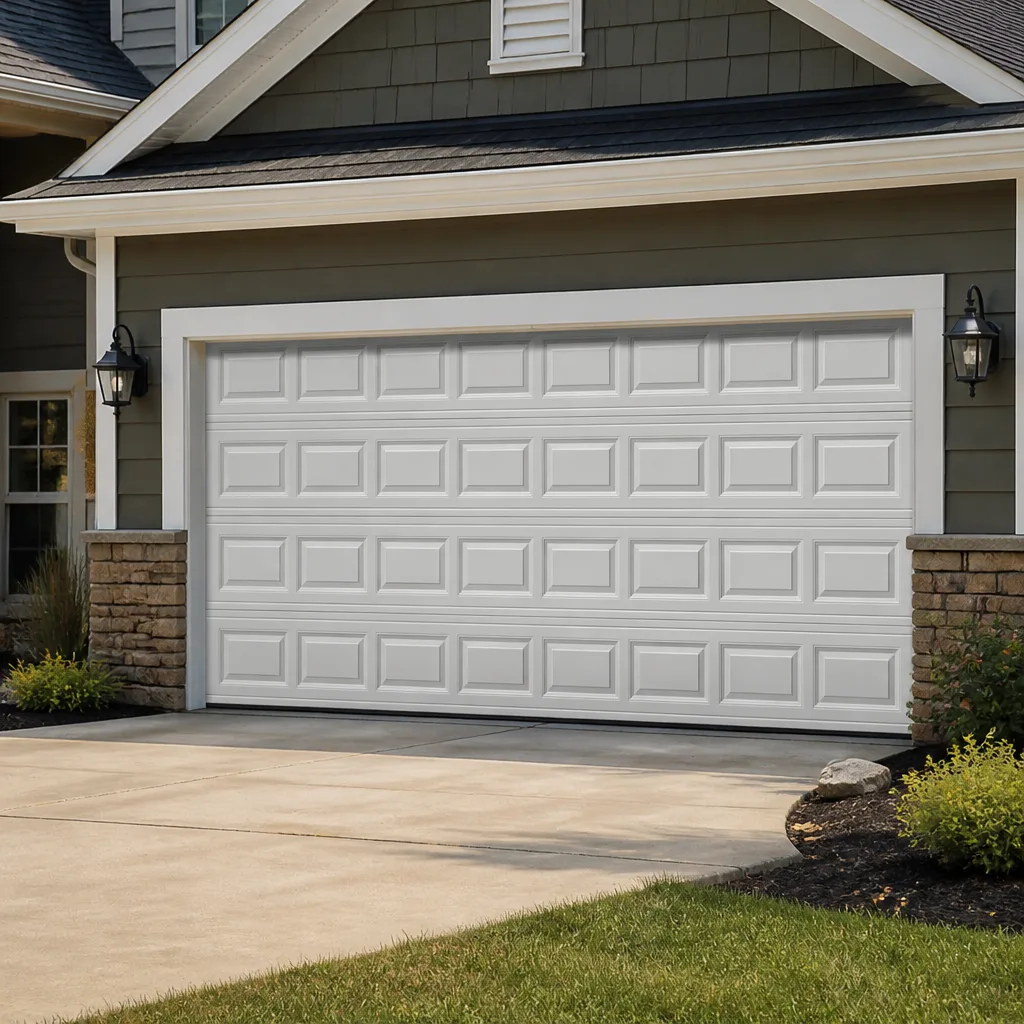 Raised-panel steel
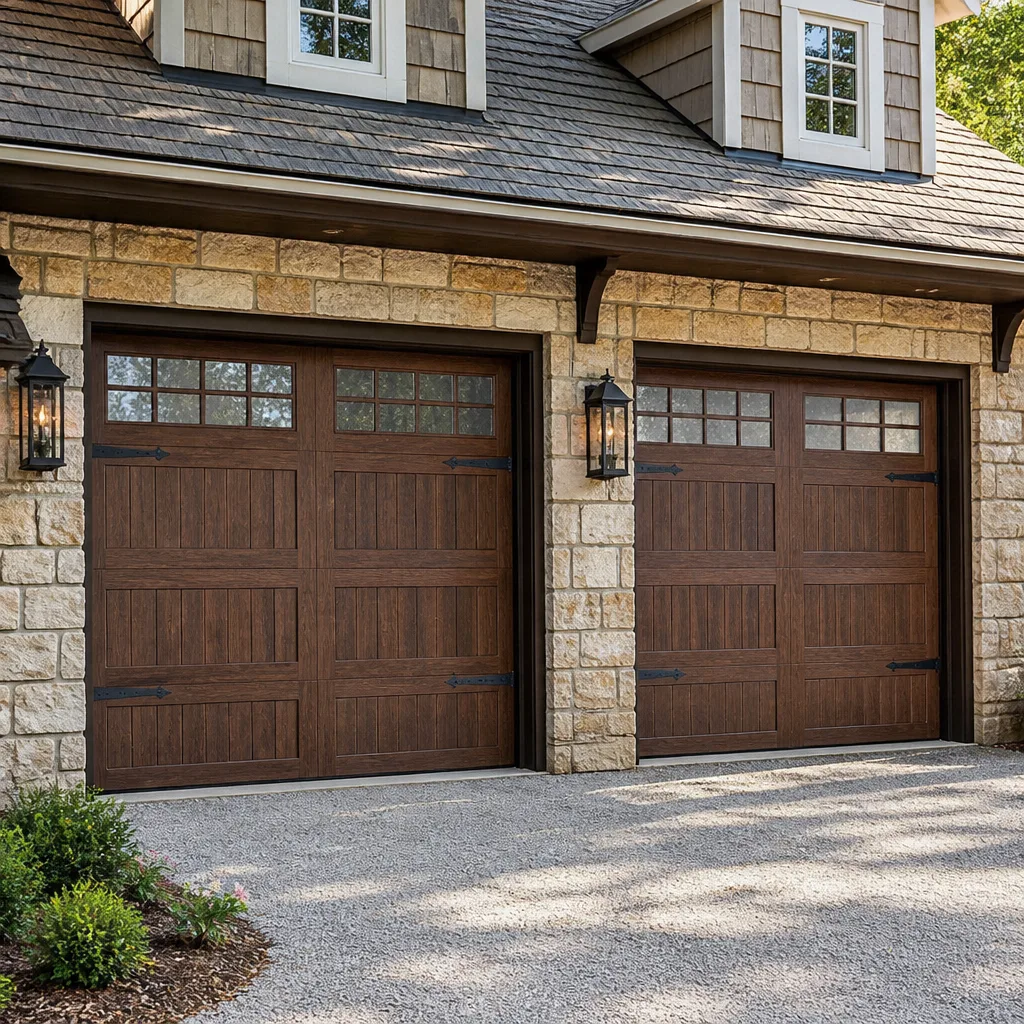 Carriage house
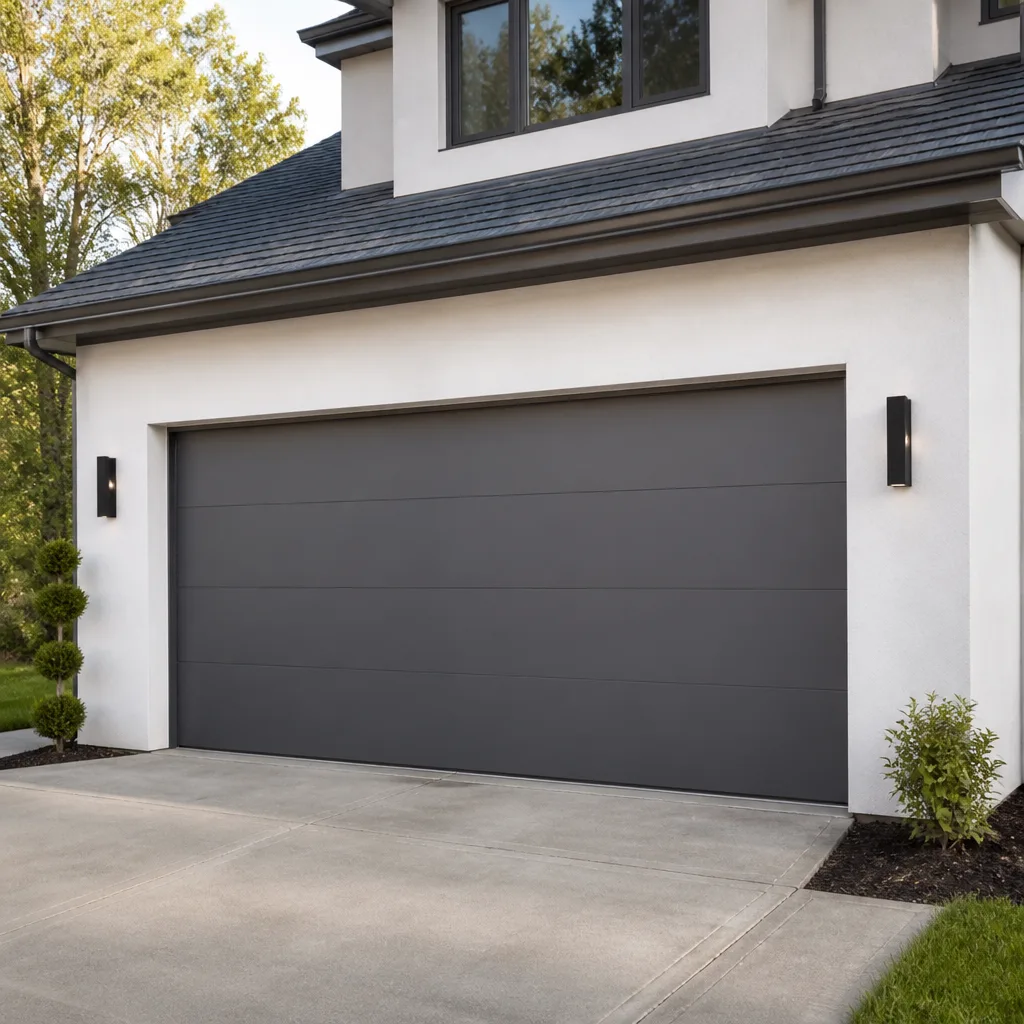 Modern flush
 Full-view glass
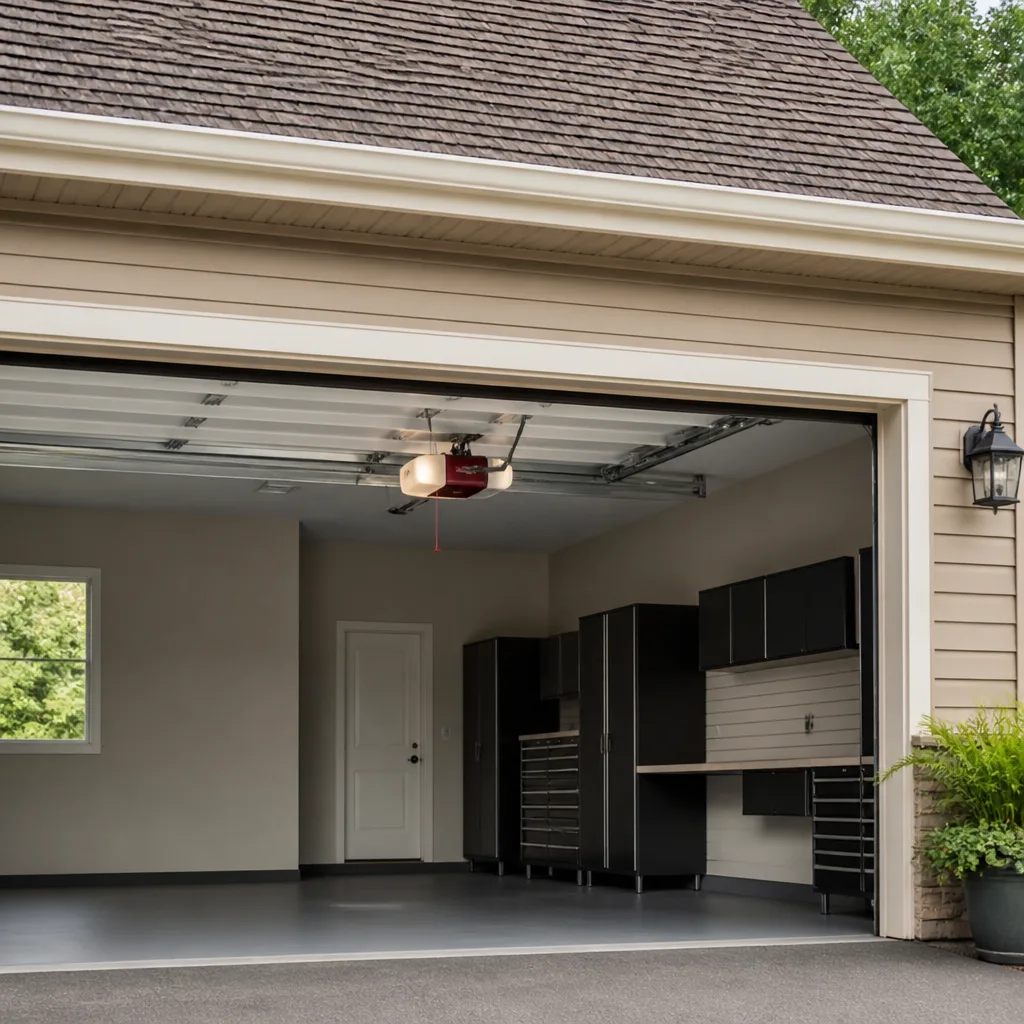 LiftMaster openers
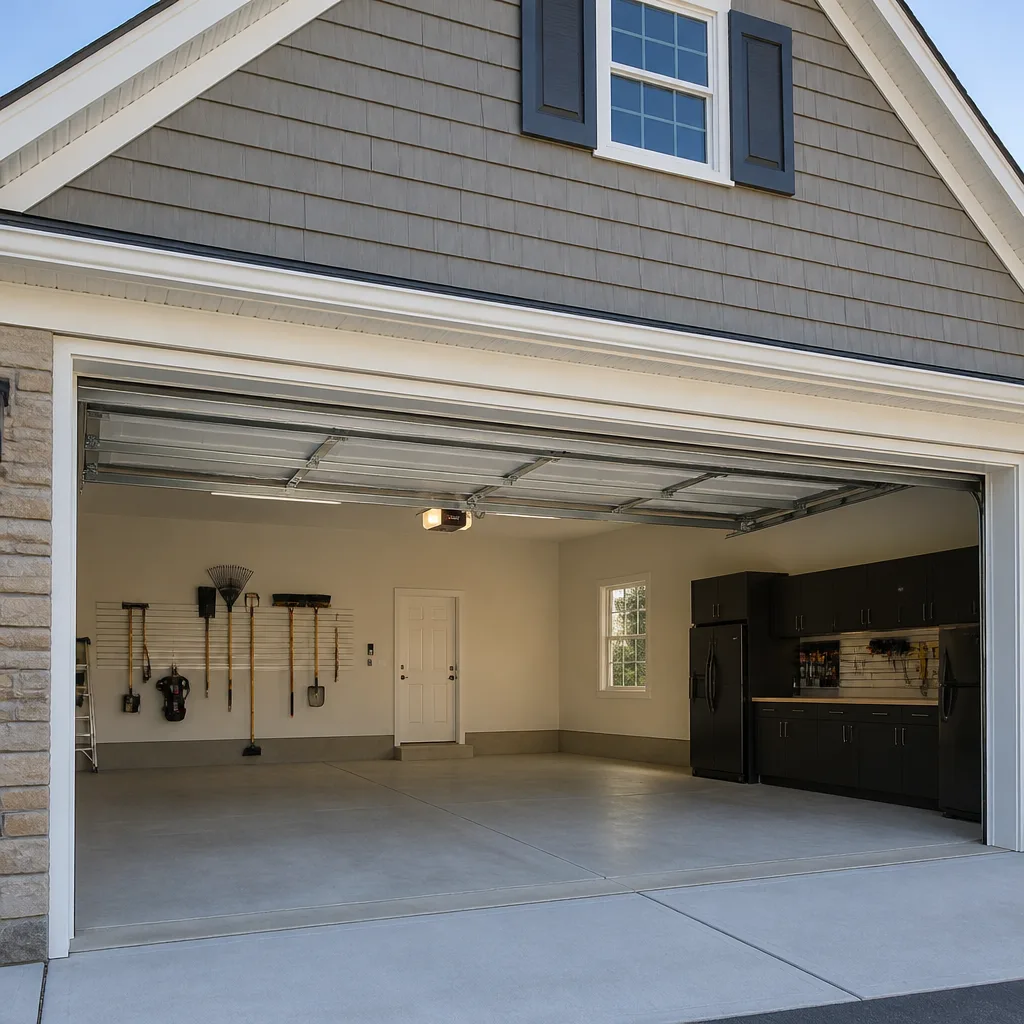 Chamberlain openers
Full 25-point door and opener safety check with every visit - springs, cables, rollers, tracks, and your LiftMaster or Chamberlain opener included
You get a price before we start. It does not change when the pro arrives.
Get your free estimateDIY vs Professional Garage Door: The Meyerland Homeowner’s Decision Guide
Most homeowners who get hurt working on a garage door don’t get hurt because they’re careless. They get hurt because they misjudged which jobs are actually dangerous. Replacing a bottom seal feels the same as adjusting a torsion spring until it isn’t. The line between the two isn’t skill. It’s stored energy, and whether the part you’re touching holds it. This guide draws that line task by task, so you can handle the genuinely safe fixes yourself and know the moment a job has crossed into call-a-specialist territory. We’ll cover the warranty clause that catches people, the tools that signal a stop, and why a Meyerland door carries its own set of risks.
Quick Answer
Some garage door work is safe for a careful homeowner: replacing the bottom seal, swapping rollers, lubricating moving parts, and aligning safety sensors. Anything involving torsion springs, cables, drums, or track realignment under tension should go to a trained technician, because those parts store enough energy to cause serious injury in a fraction of a second. In Meyerland, humidity and past flood exposure raise the risk on a door that has seen standing water, which makes a professional inspection more valuable than the savings from attempting it yourself.
Styles & brands we work with
- Raised-panel steel
- Carriage house
- Modern flush
- Full-view glass
- LiftMaster openers
- Chamberlain openers
Table of Contents
- What garage door work is genuinely DIY-safe in Meyerland?
- Which garage door repairs should never be DIY?
- What tools do you actually need, and which ones signal a stop?
- How does DIY work affect your manufacturer warranty?
- DIY vs professional: what’s the real cost comparison?
- How does Meyerland’s humidity and flood history change the math?
- Can you safely program or replace your own opener?
What garage door work is genuinely DIY-safe in Meyerland?
Several garage door jobs are safe for a homeowner who reads the instructions and doesn’t force anything. These are tasks that don’t involve high-tension hardware and don’t require opening or adjusting the spring system. In our experience, most Meyerland homeowners who call for these jobs could have handled them in an afternoon with a socket set and a tube of lubricant.
The safe-to-DIY list is shorter than most people assume:
- Replacing the bottom weather seal. A worn seal lets in water, dirt, and pests. It slides out of a channel and slides back in. This is the single most homeowner-friendly garage door task there is.
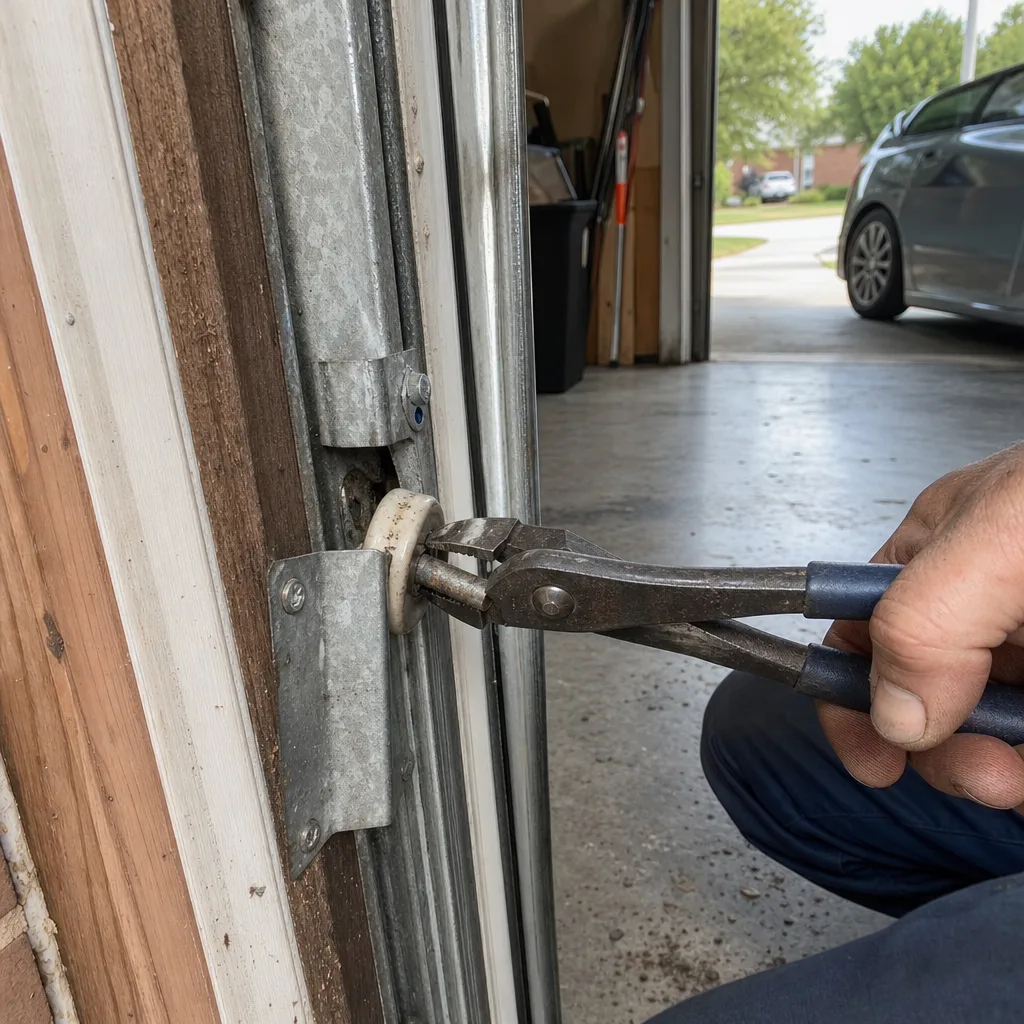
- Swapping standard rollers. Rollers that have gone flat or noisy can be replaced one at a time while the door is fully up and under normal spring tension. You’re not touching the spring, just the roller brackets.
- Lubricating hinges, rollers, and tracks. A light application of a proper garage door lubricant quiets a squeaky door and extends the life of metal parts. Do not use grease or heavy oil, which attracts grit.
- Aligning and cleaning safety sensors. If your door won’t close, check the two sensors near the floor first. A wiped lens or a nudge back into position solves most of these calls.
- Replacing the opener remote battery. Simple and often overlooked when a door stops responding.
What these share: none of them require you to loosen a bracket that carries spring tension or to put a tool into a cable assembly. The moment a job asks you to touch the metal under load, it leaves this list. That’s true whether you’re in Meyerland or anywhere else in Houston.
Which garage door repairs should never be DIY?
Torsion springs, extension springs, cables, drums, and track realignment belong to a trained technician. This isn’t caution for its own sake. These parts are under extreme tension, and the hardware holding them can fail without warning. A torsion spring stores enough energy to cause serious injury in under a second, and even a careful homeowner using the right tools can be caught by a release they didn’t expect. We handle spring repair as a specialty so you don’t have to face that risk.
The jobs that require a professional:
- Torsion spring replacement. The spring above the door holds the full weight of the door. Replacing it requires winding and unwinding tension with the correct bars and a strict sequence. Skipping one step or using the wrong bar is how people get hurt.
- Extension spring replacement. The springs that run along the horizontal tracks carry equal tension. The cable running through the center of an extension spring is what stops it if it breaks, and that cable can also fail.
- Cable replacement. Cables are under load and can whip if released improperly. Replacing one without the right technique is a genuine hazard.
- Track realignment. A bent or out-of-plumb track can bind the door and force the opener to work harder. Straightening it requires understanding how the whole system lines up.
- Drum, bearing, and hinge bracket replacement. These hold the cable and spring assembly. Even replacement of a single part requires relieving tension first.
If a technician tells you any of these need to be done, the right response is to let them do it. The savings from attempting it yourself don’t come close to what a failure costs. For the specific tasks above, a call to garage door repair is the safe route.
What tools do you actually need, and which ones signal a stop?
A short list of common hand tools covers every safe DIY garage door job. The professional tool set is a different animal. Knowing which tools you’d need is one of the clearest ways to know whether a job is in your lane.
DIY-safe garage door work uses tools most homeowners already own:
- A socket set and a set of wrenches (adjustable and combination)
- A screwdriver set (Phillips and flathead)
- A step ladder
- A garage door – specific lubricant (silicone-based or lithium spray)
- A shop vacuum and a rag for cleaning tracks and seals
- Safety glasses and gloves
The tool list for the safety-critical jobs signals a hard stop:
- Winding bars. Long steel rods used to raise and lower torsion spring tension. If the job needs these, it needs a trained technician.
- Cable pullers and locking pliers used on tensioned cables. A cable under load can release with a snap.
- A torque wrench with correct settings for spring anchor hardware. Wrong torque on a spring anchor plate is a real failure risk.
- Properly sized torsion bars for the specific wire gauge of your spring. Spring wire diameter varies. Using the wrong bar is how bars bend and hands slip.
If a garage door task requires any tool on that second list, it’s a professional job. Buying the tool doesn’t make the task safe. In Houston, spring repair and cable work are routine for a technician and dangerous for everyone else.
How does DIY work affect your manufacturer warranty?
DIY work can void parts of your manufacturer warranty, and most homeowners don’t find that out until they need it. This is the clause people miss. If your door is under three years old, the warranty covering the panels, hardware, and finish is likely still in effect. Amarr, Clopay, and other major brands write coverage around installation and service done to the manufacturer’s specification, and unauthorized modification or repair is one of the most common reasons a claim gets denied.
The parts of a warranty most likely to be affected by DIY work:
- Panel and finish coverage. Drilling into a panel to mount a new hinge, reinforcing bracket, or opener arm can void the finish warranty on that section.
- Hardware and track coverage. Adjusting the track alignment yourself and getting it slightly wrong can bend rollers or wear the hinges faster, and a claim on those parts is often refused if the cause is traced to user adjustment.
- Opener coverage. Programming a new remote is fine. Installing a smart-home module, rewiring the wall control, or installing a compatible opener with the door yourself can void the opener warranty with brands like LiftMaster or Chamberlain if the installation doesn’t follow the manufacturer’s manual.
- Spring and cable coverage. Any claim on a spring or cable that shows signs of user adjustment is almost always refused.
Before you touch a door under three years old, read the warranty document. If it mentions “installer” or “authorized service,” DIY work is riskier than you think. A free estimate from a garage door specialist costs nothing, and having the work done correctly protects the coverage you already paid for.
DIY vs professional: what’s the real cost comparison?
The honest answer is that some DIY saves real money and some DIY costs more than it saves. A homeowner who replaces their own bottom seal, swaps rollers, and lubricates twice a year avoids a lot of professional service calls. Over time, that adds up. What doesn’t add up is attempting a spring repair yourself, because a failed DIY attempt often costs more to fix than the original professional job would have.
Here’s how the math works out in general terms:
- Safe DIY tasks: seal, roller, lubrication, sensor work. These use inexpensive parts and a few hours of your time. They typically save the cost of a service call.
- Risky DIY attempts: torsion springs, cables, track work. A failed attempt often turns a single-part repair into a multi-part repair, plus the cost of the original job done correctly. If you get hurt, the cost of a single ER visit dwarfs any savings.
- Warranty impact: DIY work on a door under warranty can cost you coverage on parts that fail later. That’s a cost with a delayed bill.
We don’t quote prices on a page like this, because garage door work is priced per job after the technician sees the door and writes an estimate. What we can say is that garage door installation and repair work carry the same real costs whether the attempt succeeds or fails. When it succeeds, DIY is a win. When it doesn’t, you pay twice. A free estimate tells you which side of that line your job is on.
How does Meyerland’s humidity and flood history change the math?
Meyerland’s climate makes some “easy” repair jobs less reliable than they’d be elsewhere. Two local factors matter: humidity and past flood exposure. Houston’s humidity is high most of the year, and Meyerland’s neighborhoods sit close enough to the bayous that several areas have seen standing water in garages after heavy storms. Both change the way a garage door ages.
What humidity and flood exposure do to a door over time:
- Wooden panels absorb moisture and swell. A panel that swelled and then dried can leave the door slightly out of square. New rollers installed on a swollen door can wear in weeks.
- Steel hardware corrodes faster. Hinges, springs, and cables rust more quickly in a Houston garage than in a dry climate. A rusted spring can fail unpredictably, which raises the risk of an attempted DIY spring job.
- Flood exposure introduces hidden damage. A garage that has seen standing water can have swollen panels, saturated insulation in the door, rusted track anchors, and lubrication washed out of the rollers and hinges. If the door has been through standing water, inspect before you do anything, and treat any track or anchor problem as a call for help.
- Bottom seals wear faster. In a humid climate with occasional water intrusion, the bottom seal on a Texas door dries, cracks, and stops sealing sooner than in a dry state. This is a DIY-safe replacement and one of the highest-value tasks on the list.
If your Meyerland door has been through a flood event, treat anything more than a bottom seal or lubrication job as professional territory. The door may not be operating the way the manufacturer built it to operate, and that’s a situation a trained eye needs to see.
Can you safely program or replace your own opener?
Programming a new remote or keypad is safe for most homeowners. Replacing the opener itself, or rewiring a wall control or safety sensor, is a different matter. Newer openers from LiftMaster and Chamberlain include smart features and proprietary wiring. Older Genie and Craftsman units have their own control standards. A small installation error can damage a motor or void the warranty.
Safe opener work you can handle:
- Programming a new remote or keypad using the manufacturer’s steps
- Replacing battery in remotes and wall controls
- Cleaning and aligning safety sensors
- Resetting the opener after a power outage using the manufacturer’s manual
Call a technician for:
- Replacing the opener motor or control board
- Installing a new opener on a new door
- Wiring a wall control unit
- Installing a smart-home module where the opener wiring needs modification
- Any opener problem where the door also reverses, binds, or moves unevenly
If you’re on the fence about an opener repair, call the number at the bottom of this page and describe what’s happening. Our technicians work on the actual brand installed in your home, not a generic workaround. For detailed guidance on whether to repair or replace, see our garage door opener repair page.
Common Mistakes to Avoid
- Attempting a torsion spring replacement to save a service call. The spring above the door stores enough energy to injure you in an instant. It’s the most common DIY mistake we get called to clean up, and it’s the most dangerous.
- Using grease or WD-40 on hinges and rollers. Grease attracts Houston grit and turns into a paste. Use a garage door – specific lubricant, and use it sparingly.
- Adjusting the track by sight. “Looks straight” is not straight. A track that’s slightly out of plumb will bind the door and fight the opener. Leave track realignment to a technician.
- Installing an opener on a new door yourself. Even if the wiring looks straightforward, an incorrect installation can void the warranty on a door under three years old. Let the installation be documented and done to spec.
- Ignoring a door that has been through standing water. Meyerland’s flood history means some garage doors have seen water they weren’t designed for. Check the anchors, panels, and cables before treating the door like any other.
- Skipping the safety sensor check. A door that closes on a small object or a child is a serious risk. Test the sensors monthly by placing an object in the door’s path while it closes. If the door doesn’t reverse, stop using the opener and call for repair.
- Not reading the warranty before doing any DIY work on a door under three years old. Manufacturer coverage on panels, hardware, and finish is still active in most cases. Check before you touch anything.
See the difference
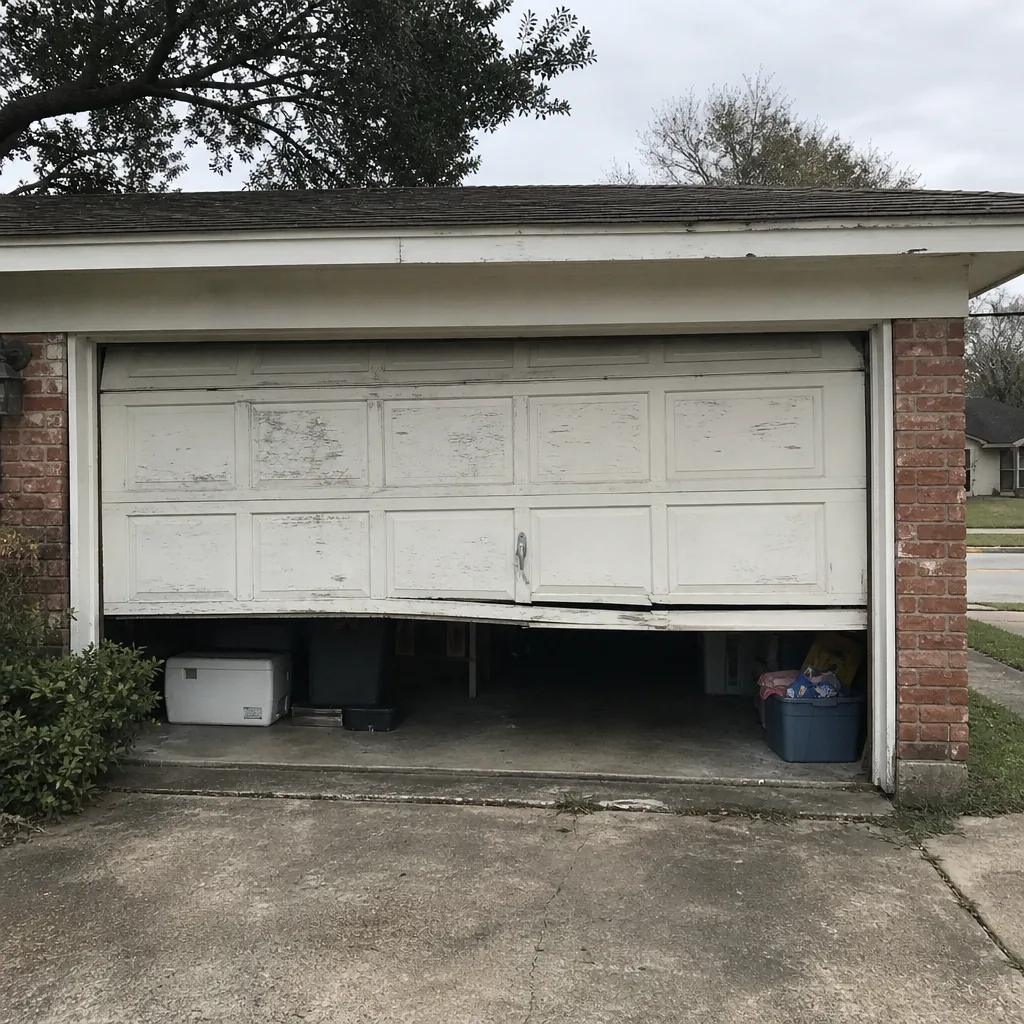 Before
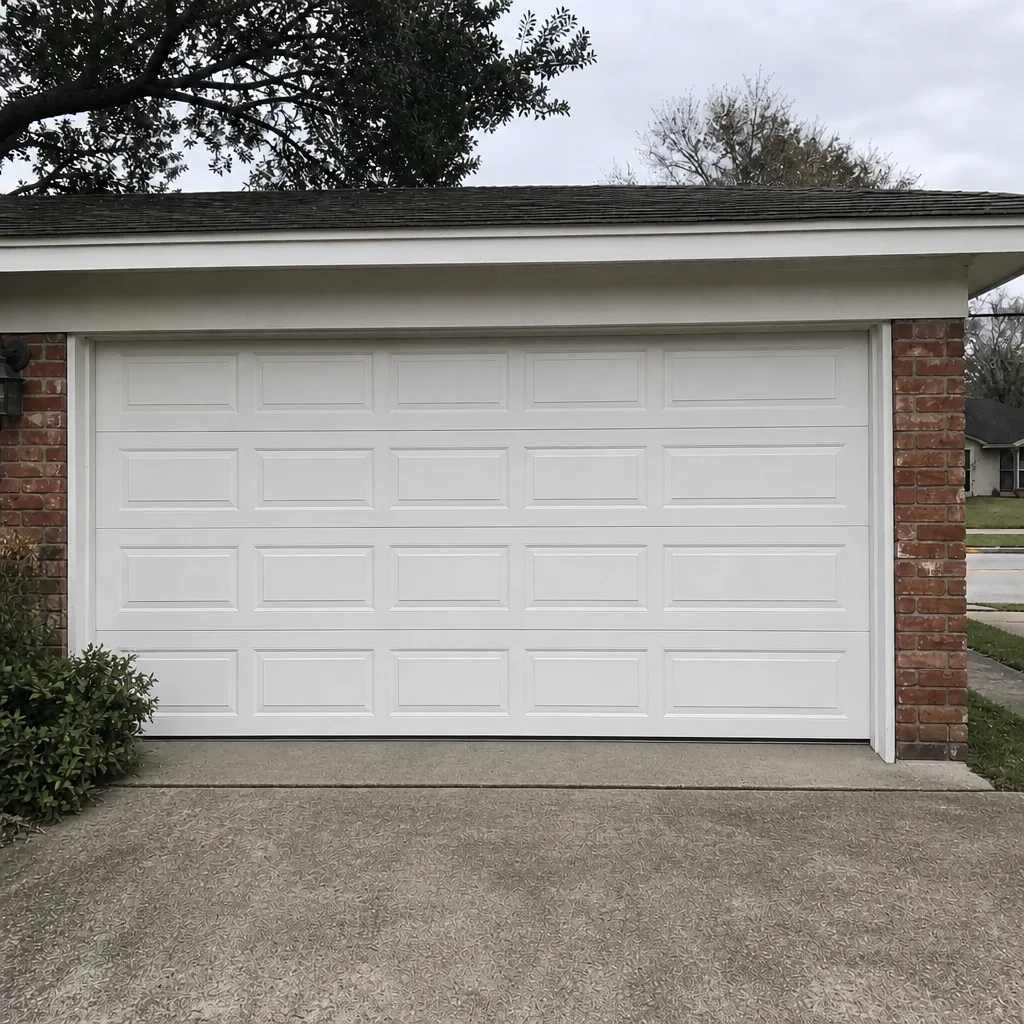 After
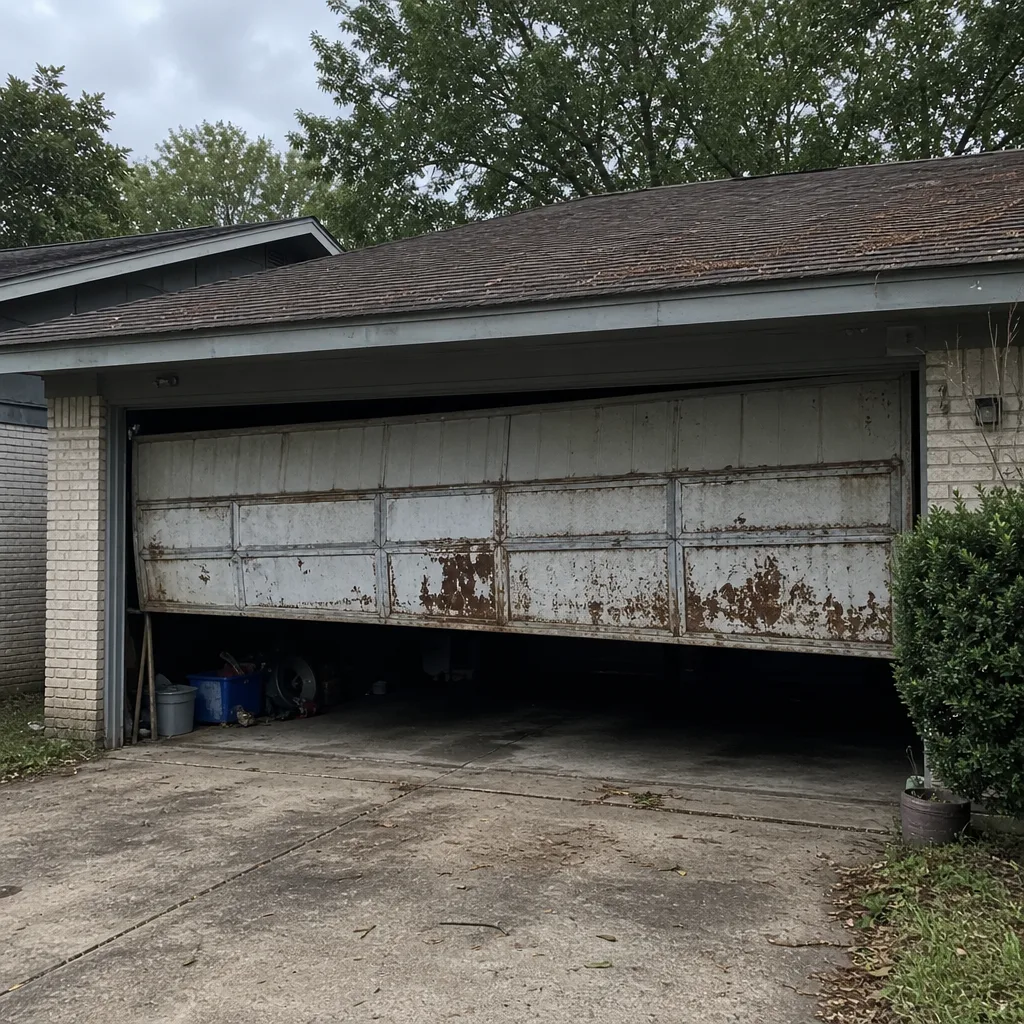 Before
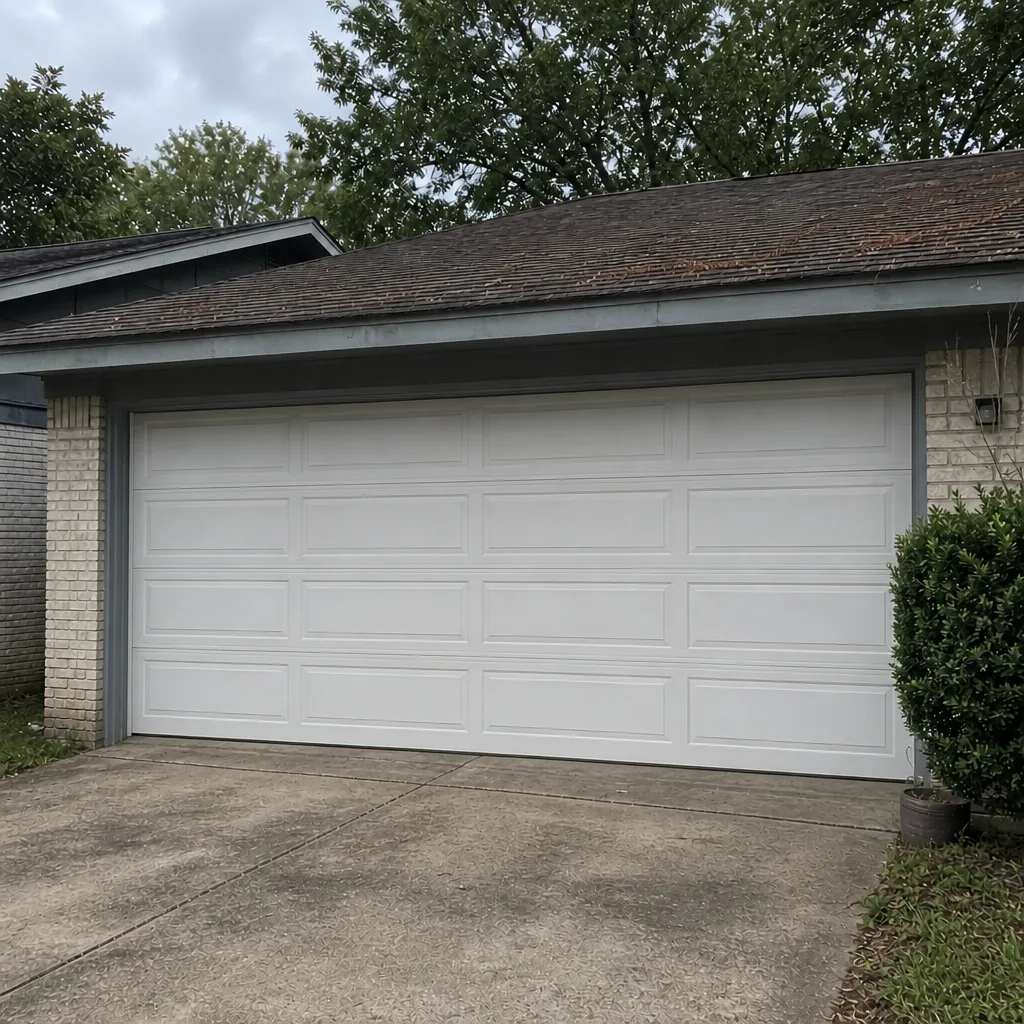 After
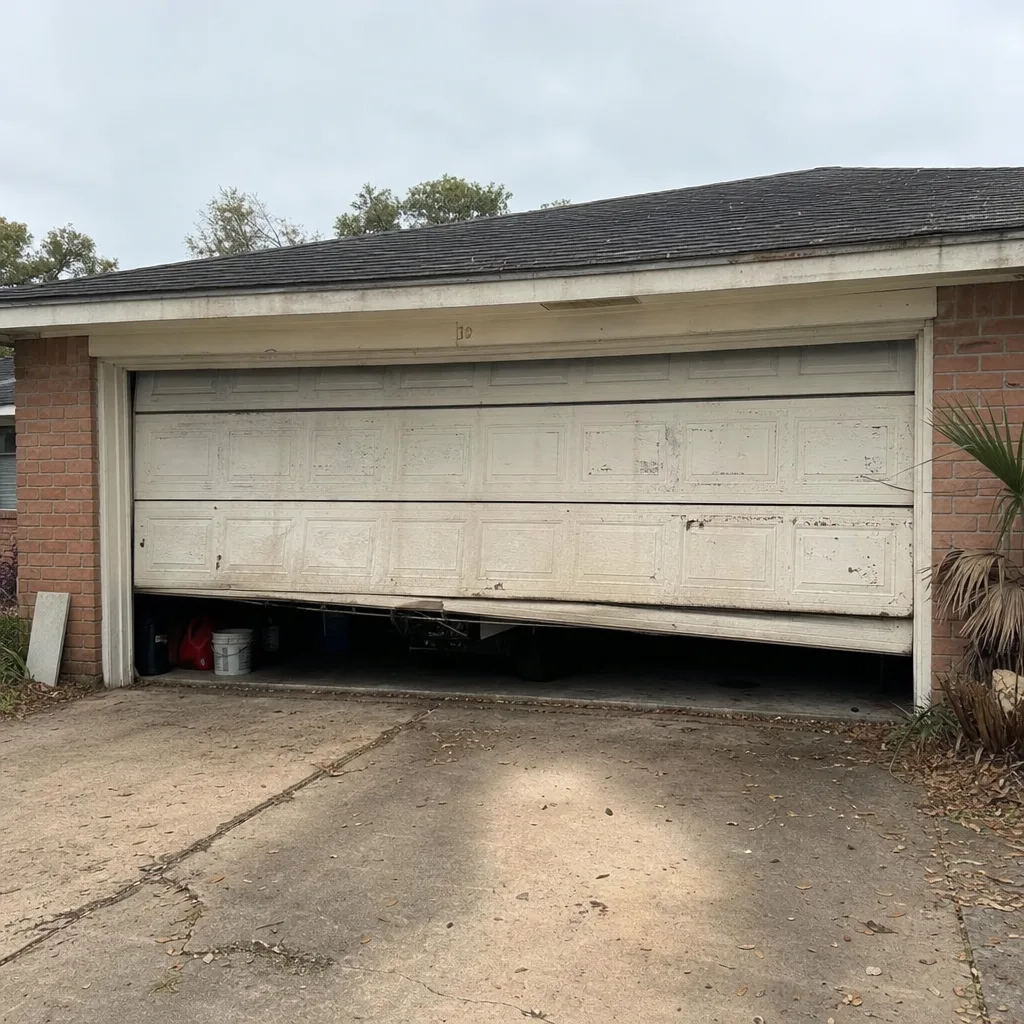 Before
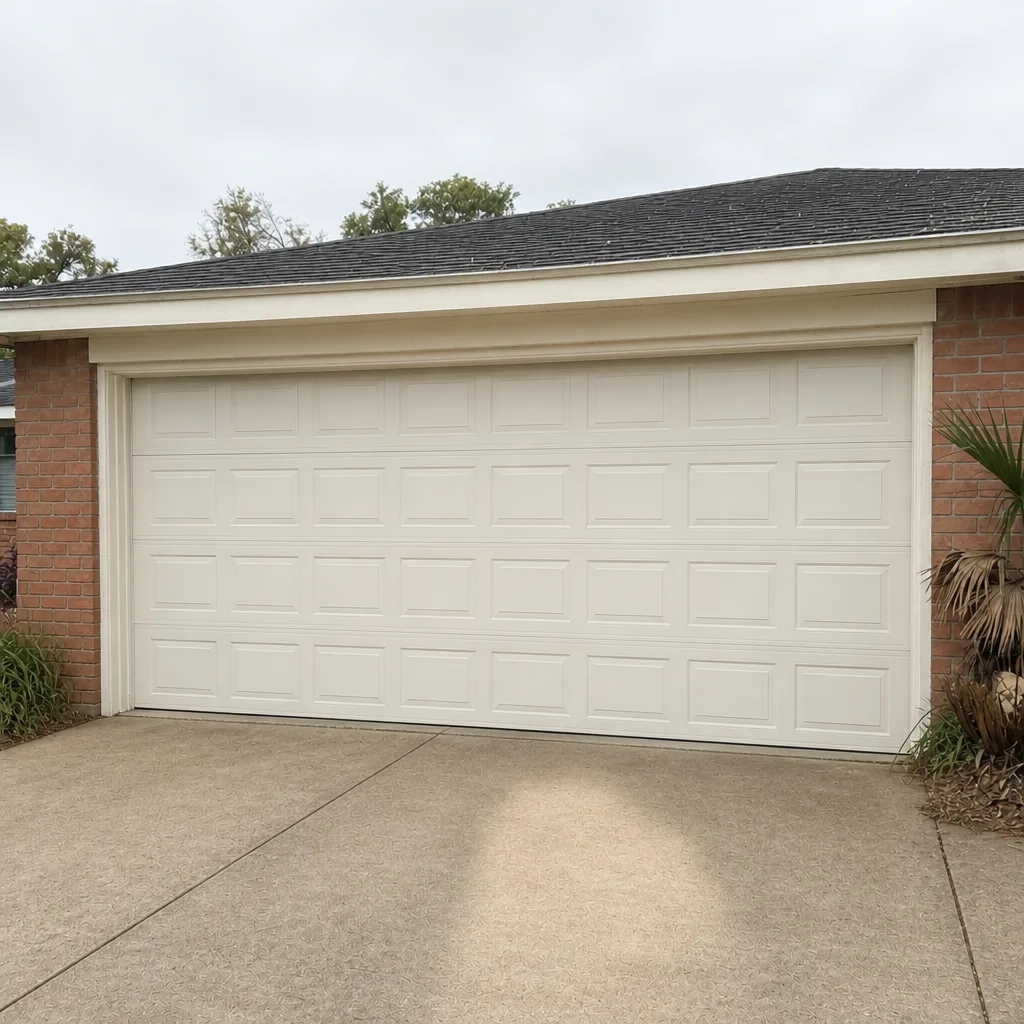 After
When to Call a Professional
Call a professional any time your job involves a torsion or extension spring, a cable, a drum, track realignment, or anything that requires opening up the tensioned part of the door. Call if the door reverses on its own, moves unevenly, or stops responding to the opener. Call if the door has been through standing water in Meyerland and you’re not sure what was affected. And call if you’re simply not confident about the tools required, because a bad DIY attempt costs more than a scheduled repair.
Garage Door Repair Meyerland offers free estimates in Meyerland and across the Houston area. Our technicians have up to 14 years of experience and work on the brand already in your home, including LiftMaster, Chamberlain, Genie, and Clopay. Call (866) 937-7492 for an estimate. We answer 24/7. Fast dispatch from 7am to 7pm, Sunday through Friday.
Frequently Asked Questions
Yes. Replacing the bottom seal is one of the safest DIY garage door jobs there is. The seal slides out of a channel at the bottom of the door and slides back in, and you don’t touch any tensioned hardware. In Meyerland’s humidity, bottom seals wear out faster than in dry climates, so this is worth doing yourself. If the door is under warranty, check the warranty document first. For anything beyond a seal replacement, call (866) 937-7492 for a free estimate.
DIY work can void warranty coverage on the parts you touch, and sometimes more. On a door under three years old, manufacturer coverage on panels, finish, and hardware is usually still active. Unauthorized modification or repair is a common reason a claim gets refused. Before doing anything beyond lubrication, roller replacement, or a bottom seal, read the warranty. If you’re unsure, call (866) 937-7492 and we’ll walk you through what’s safe to attempt.
What happens depends on the job. A failed spring or cable repair can cause serious injury, so stop immediately if you’re mid-attempt on a tensioned part. A failed track adjustment can bend rollers or wear the opener. A failed opener installation can damage the motor or void the warranty. In all cases, call a technician before attempting more. Don’t keep working on a door that is binding or moving unevenly. Call (866) 937-7492. We answer 24/7. Fast dispatch from 7am to 7pm, Sunday through Friday.
Look for rusted track anchors, swollen or warped panels, and squeaking or binding in the tracks. If the door was submerged or saw standing water, the lubrication in hinges and rollers is likely gone, and the door may not operate the way the manufacturer built it to operate. Treat any post-flood door with suspicion until a technician has inspected it. For an inspection and free estimate, call (866) 937-7492.
No. Track realignment is a professional job. A track that’s out of plumb can bind the door, stress the cable, and force the opener to work harder. Even if you get it visually straight, the alignment may be off enough to wear parts quickly. Call a technician for track work. For safe, correct realignment in Meyerland, call (866) 937-7492 for a free estimate.
For a new opener replacement, yes. Programming a new remote is fine, but replacing the motor, control board, or wall control wiring is a job for a technician. Newer LiftMaster and Chamberlain units have proprietary wiring and smart-home integration that can be damaged by an incorrect install. And on a door under warranty, DIY opener installation can void coverage. Call (866) 937-7492 for a free estimate on opener replacement.
The Bottom Line
The DIY-vs-professional question on a garage door comes down to one thing: which parts carry stored energy. Bottom seals, rollers, lubrication, and sensor alignment belong to the homeowner. Torsion springs, cables, drums, and track realignment belong to a trained technician. In Meyerland’s humidity and with its flood history, the stakes are a little higher than they’d be in a dry climate, because a rusted or water-damaged door doesn’t behave the way the manufacturer built it to. Handle the safe tasks yourself and save the money. Call a specialist for the rest.
If your job involves springs, cables, opener replacement, or a door that doesn’t move right, call (866) 937-7492 for a free estimate. Our technicians work on LiftMaster, Chamberlain, Genie, Clopay, Amarr, Wayne Dalton, Craftsman, and Raynor, and spring repair is an explicit specialty, not a referral. We answer 24/7. Fast dispatch from 7am to 7pm, Sunday through Friday, with same-day service available. Start with Garage Door Repair Meyerland and we’ll help you decide what stays DIY and what doesn’t.
Written by the team at Garage Door Repair Meyerland.