
Last updated November 21, 2026
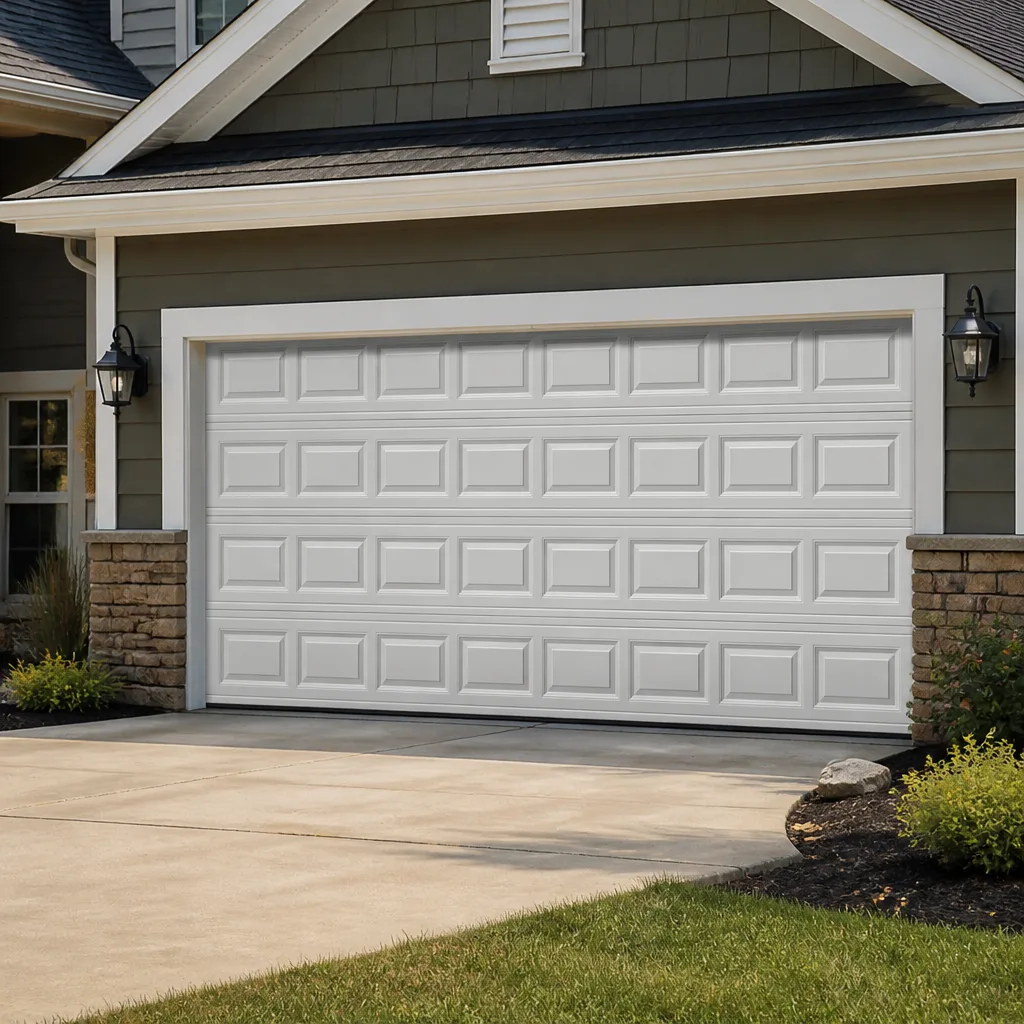 Raised-panel steel
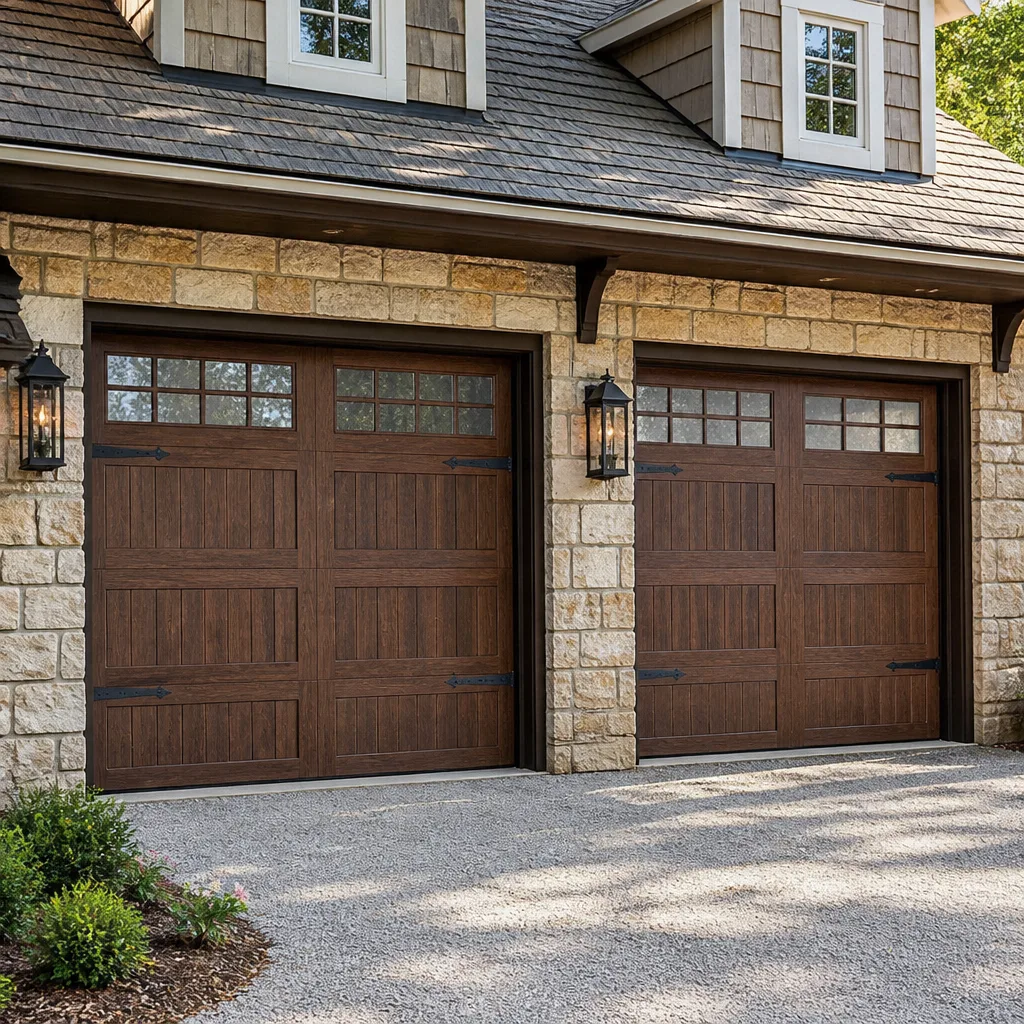 Carriage house
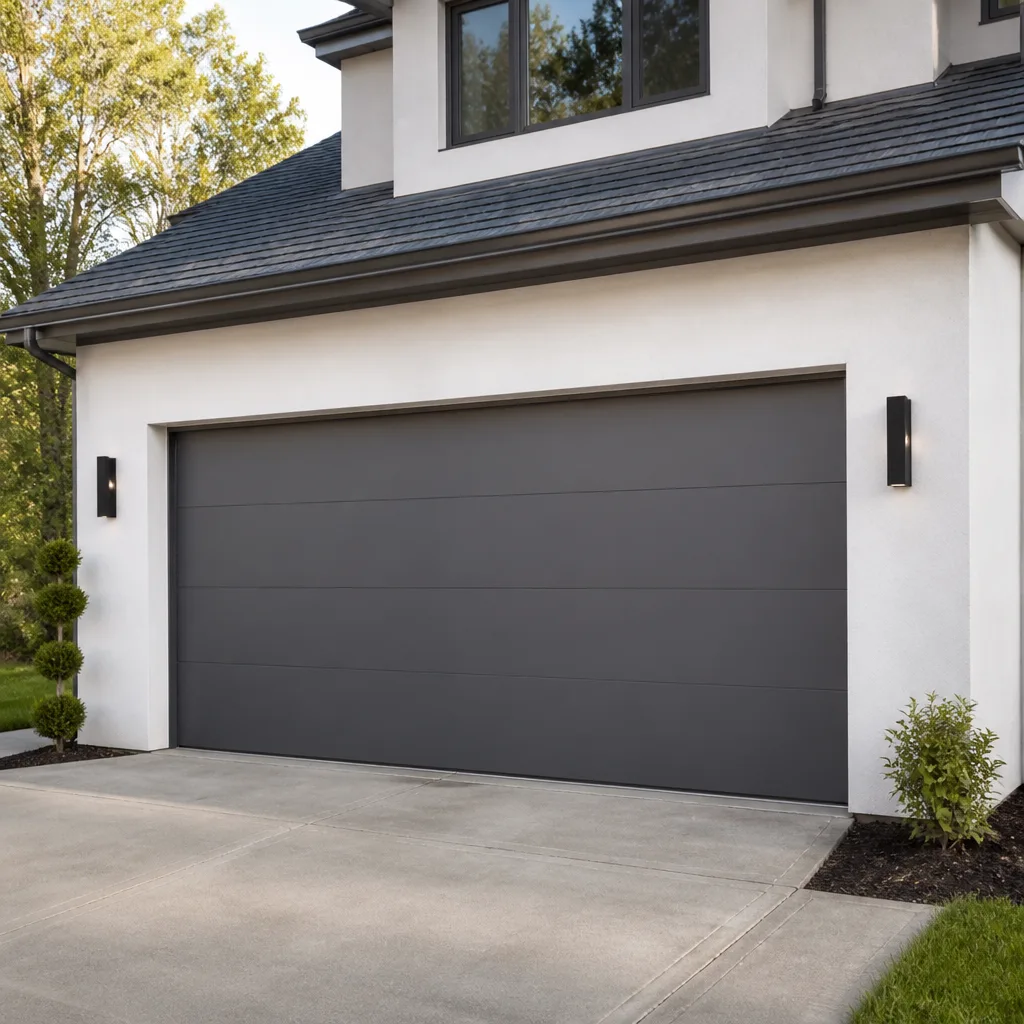 Modern flush
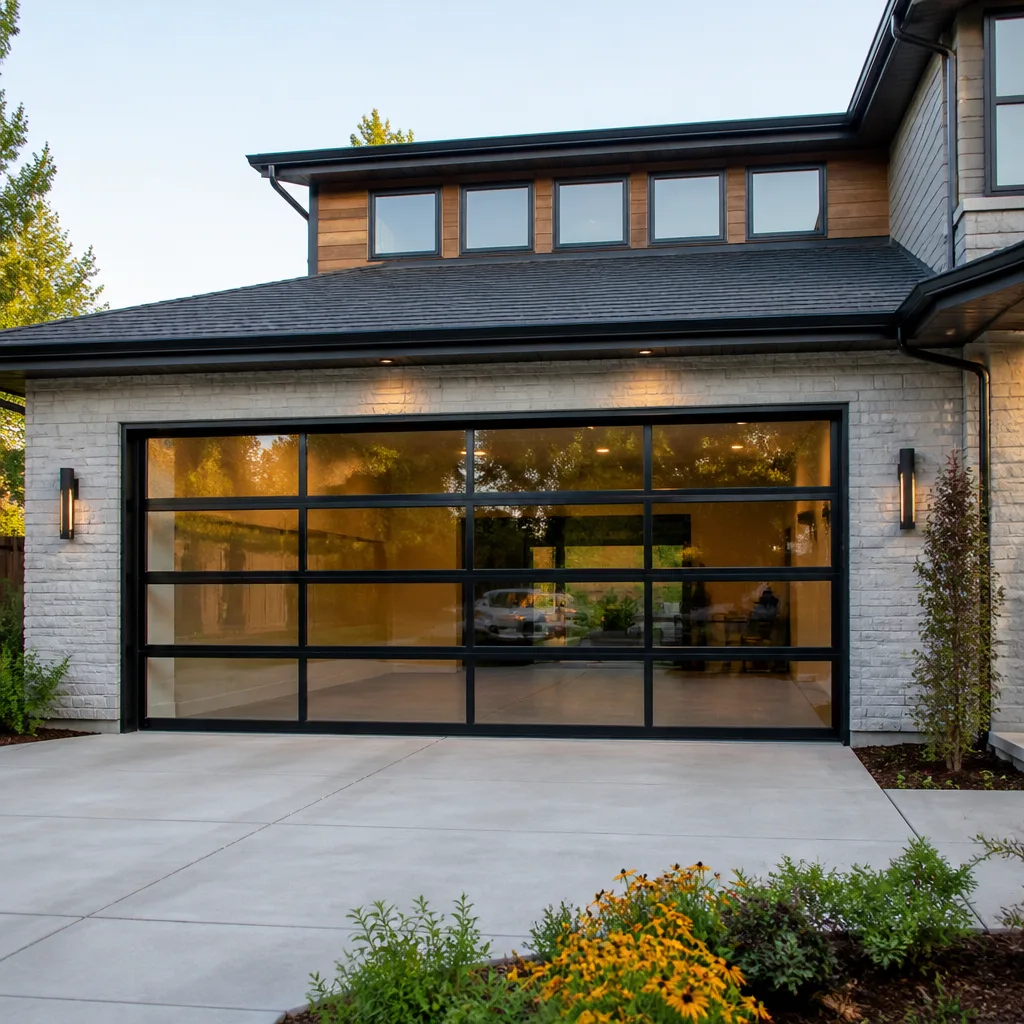 Full-view glass
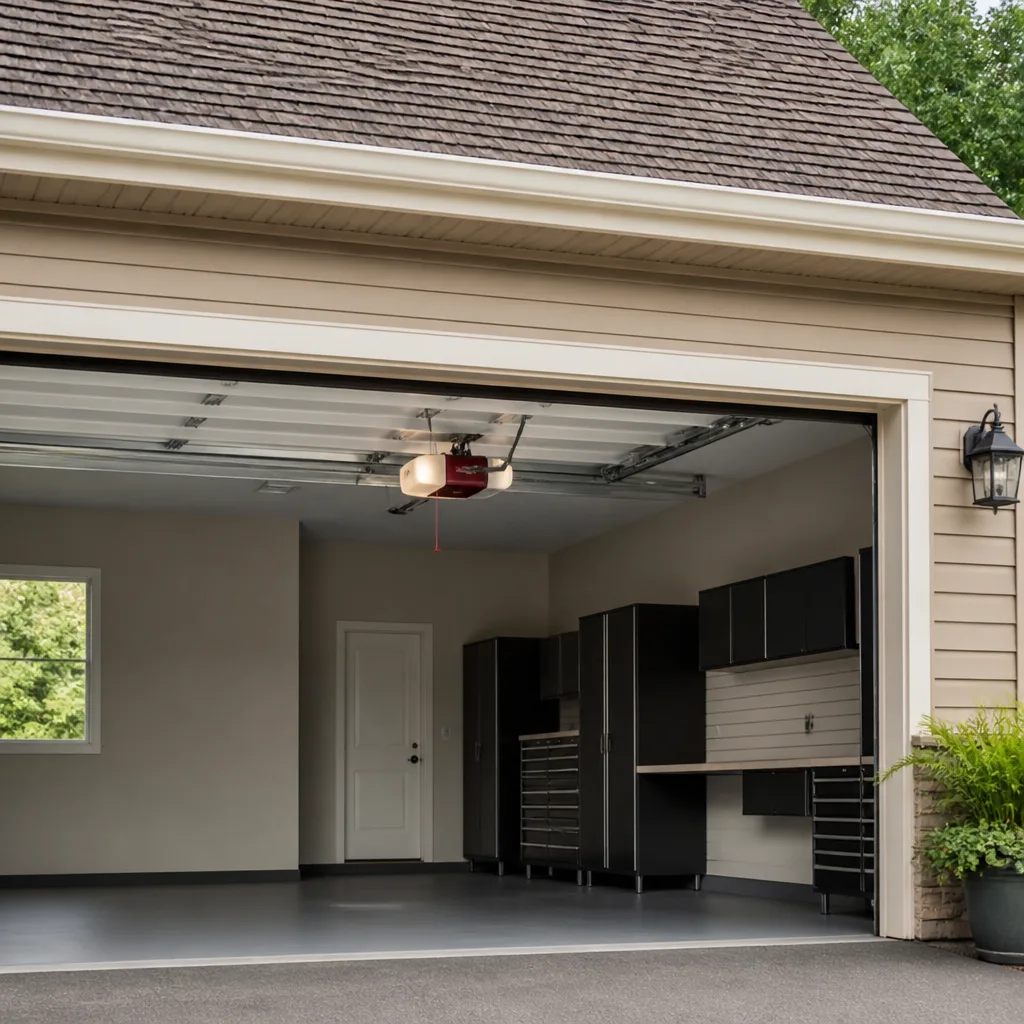 LiftMaster openers
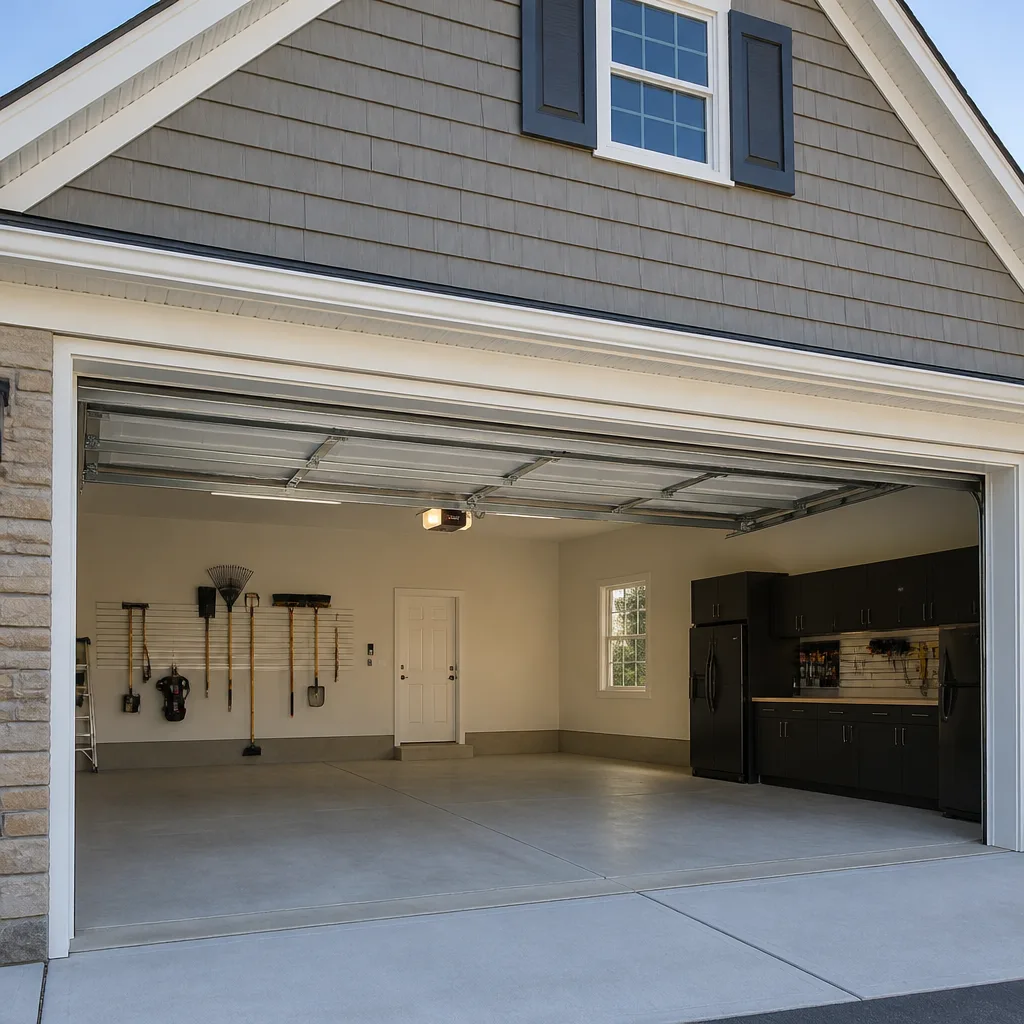 Chamberlain openers
Full 25-point door and opener safety check with every visit - springs, cables, rollers, tracks, and your LiftMaster or Chamberlain opener included
You get a price before we start. It does not change when the pro arrives.
Get your free estimateSeasonal Garage Door Care for Meyerland: Year-Round Homeowner’s Guide
Most garage door maintenance calendars are written for places that actually get four seasons. Meyerland doesn’t. What we have is a long, punishing heat phase, a short freeze window that arrives with almost no warning, and a humidity baseline that never lets up in between. A torsion spring set for comfortable weather loses tension when a hard freeze drops the garage into the high 20s overnight, and that tension doesn’t fully come back when the afternoon warms up. That’s why a door that felt fine in October can suddenly feel heavy and sluggish in February. This guide maps care to Meyerland’s three real stress cycles, so you know what to check and when.
Quick Answer
Garage door care in Meyerland should follow three cycles rather than four seasons: a pre-hurricane inspection in May, heat-cycle checks through June to September, and a freeze protocol you keep ready for the handful of hard freezes each winter. Humidity management runs year-round and matters as much as temperature. Balance springs, seals and opener performance around those cycles and most failures get caught before they strand your car.
Styles & brands we work with
- Raised-panel steel
- Carriage house
- Modern flush
- Full-view glass
- LiftMaster openers
- Chamberlain openers
Table of Contents
- Why Meyerland Doesn’t Have a Normal Seasonal Calendar
- The Pre-Hurricane Checklist: What to Do in May
- Heat-Cycle Stress: June Through September
- The Freeze-Event Protocol for Meyerland
- Post-Storm Inspection: A Numbered Sequence
- Humidity Management Year-Round
- Opener Care Across the Heat and Cool Cycles
- A Simple Year-Round Schedule
Why Meyerland Doesn’t Have a Normal Seasonal Calendar
The generic advice you’ll find online assumes a steady progression from cold to warm to cold again. Meyerland runs on a different pattern. For most of the year the garage sits in warm, humid air, then a cold front pushes through and the temperature swings hard for a day or two, then it’s back to warmth and humidity. Your door’s moving parts feel every one of those swings, and the hardware doesn’t reset itself when conditions return to normal.
That’s the core idea behind everything in this guide. Three forces do most of the wear:
- Sustained heat. Months of high temperatures work on spring tension, seal adhesion and opener motors at the same time.
- Short, sharp freezes. A brief cold event is enough to change how metal and rubber behave, and the change can stick around after the cold passes.
- Constant humidity. Moisture in the air affects hinges, rollers, bottom seals and the painted surface of steel doors all year, and it accelerates anything the heat or cold has already started.
When we look at a door in Meyerland, we’re checking three things that generic checklists skip: the balance of the springs after a temperature swing, the condition of the weather seal where it meets the floor, and whether the opener has been cycling against a door that’s heavier than it should be. Catch those early and you avoid most of the failures that show up as a snapped spring or a door that won’t close.
The Pre-Hurricane Checklist: What to Do in May
May is the right month to prepare a Meyerland garage door for the named-storm window. Once a system is in the forecast, you don’t want to be discovering a loose track or a stripped bolt in the wind. This walk-through takes an afternoon and it’s the single highest-value maintenance you’ll do all year.
- Look at the tracks for looseness and alignment. The vertical and horizontal tracks should be firmly bolted to the wall and frame. A track that wiggles by hand is a track a storm can shift. Don’t try to bend a steel track back into shape yourself; a misaligned track is a job for a technician with the right tools.
- Check the panel-to-frame connections. Walk around the door and look at the hinges where panels join. Rusted, stripped or missing screws are common after a humid spring, and they’re what lets a panel flex under pressure.
- Test the balance. Disconnect the opener, lift the door halfway by hand and let it go. A balanced door holds roughly in place. One that drops fast or feels heavy is working against its springs, and that’s when trouble starts.
- Confirm the safety reverse works. With the door closing, pass a solid object under it and confirm it reverses. This is the check most people skip and it’s the one that matters most.
- Clear the tracks and the sill. Debris, leaves and grit in the tracks cause binding. Sweep them clean before the season.
- Look at the bottom seal. A seal that’s cracked, hardened or pulling away lets water and wind under the door. Replace it before the window opens, not after.
If anything on that list looks off and you don’t feel confident fixing it, that’s a sign to bring in a specialist before the season rather than during it. The flood-zone exposure around Meyerland means water intrusion under a worn bottom seal is a real concern, not a cosmetic one, and a properly seated seal is part of keeping the garage dry when heavy rain arrives.
For anything that needs a technician rather than a wrench, garage door repair covers the fixes that come out of this inspection.
Heat-Cycle Stress: June Through September
Summer is the longest stress phase in Meyerland, and it works on three parts of the system at once. Understanding what the heat is doing helps you know when a symptom is normal and when it’s a warning.
Spring tension
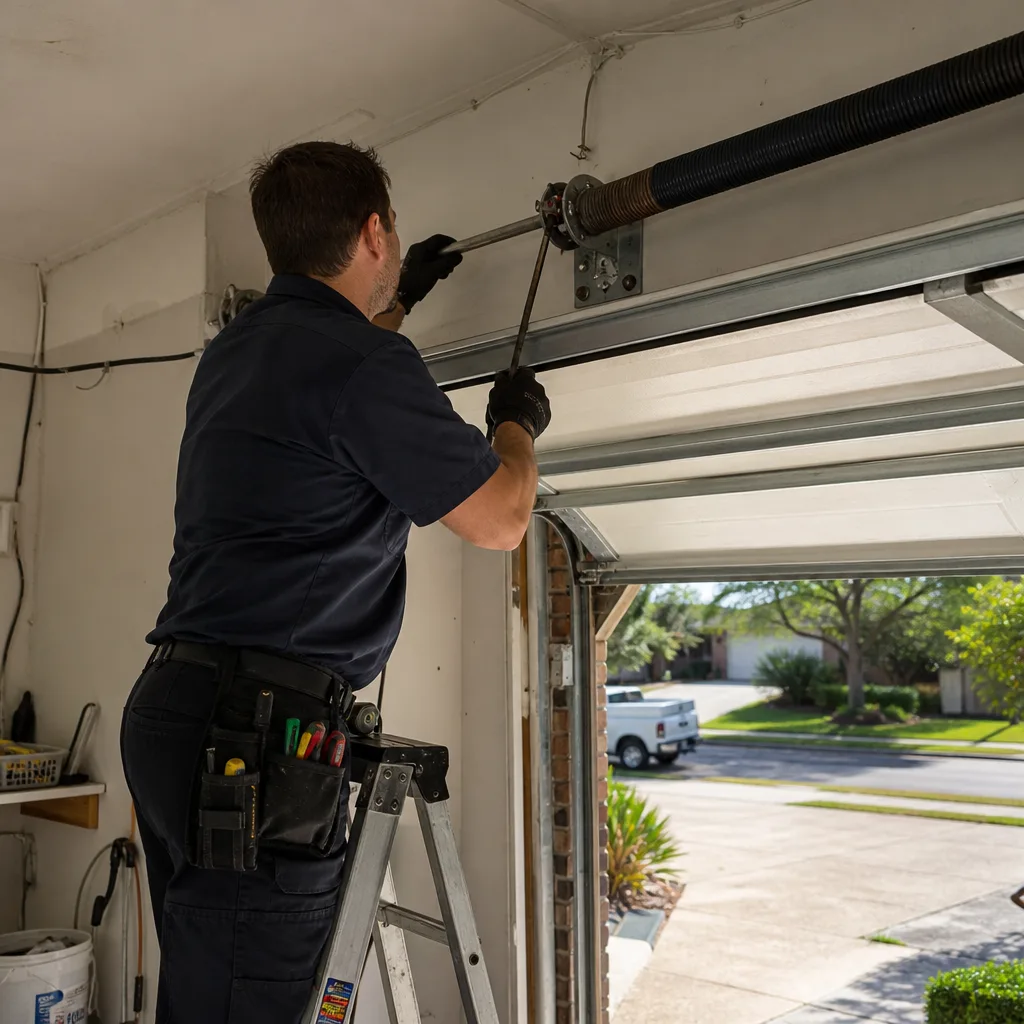
Torsion and extension springs are sized and set to carry the weight of your door at a given temperature. When the garage heats up for months, metal expands and the spring’s effective tension shifts. A door that started the summer balanced can end it creeping up slowly or dropping too fast. If your door suddenly reverses on its own or won’t stay up, that’s a spring issue, and it’s one of the most dangerous repairs a homeowner can attempt. Springs are under extreme tension and can cause serious injury if handled without the proper tools and training. We handle spring repair directly rather than referring it out, because it’s a high-tension job that deserves a specialist’s hands.
Opener thermal cutoff
Modern openers, including LiftMaster and Chamberlain units, have a thermal protection feature that shuts the motor down when it gets too hot. During a stretch of triple-digit days, especially if the door is heavier than it should be, the opener can trip that cutoff and refuse to run until it cools. If your opener stops mid-cycle on a hot afternoon and works again later, don’t ignore it. It’s often telling you the door is binding or the springs are off balance, and the motor is overheating trying to compensate.
Weather seal adhesion
The rubber and vinyl seals around the door frame take a beating in sustained heat. Adhesive softens, seals harden and pull away from the frame, and gaps open up. Walk around the door in mid-summer and check every seal where it meets the jamb and the header. A seal that’s peeling is letting hot air, humidity and insects in, and it needs re-sealing or replacing.
If your opener is struggling through the heat, garage door opener repair is the place to start, because a lot of “opener problems” are really door problems the opener is trying to power through.
The Freeze-Event Protocol for Meyerland
Meyerland rarely gets a hard freeze, which is exactly why the ones that arrive catch doors off guard. A torsion spring set for warm weather loses measurable tension when the garage drops into the high 20s overnight, and because the tension doesn’t fully return when temperatures climb, the door keeps feeling heavy afterward. A little preparation before the cold and a careful check after it prevents most freeze-related damage.
In the 24 hours before a hard freeze
- Disconnect nothing, but cycle the door once and listen. Any grinding, squealing or sluggishness now will be worse in the cold.
- Check that the bottom seal is intact and seated. Cold air and moisture creeping under the door speed up seal damage.
- Test the balance by hand with the opener disengaged. A door that’s already out of balance is the one most likely to fail in a freeze.
- Lubricate the moving parts as part of your normal routine, so cold-weather binding has less to grab onto.
- Don’t prop the door open during the cold. A panel that’s held open in a cold snap is a panel that can crack when it’s forced back into place.
In the 24 hours after the freeze
- Before you run the opener, lift the door by hand a few inches and feel for binding or heaviness.
- Look at the panels for any cracking, especially near the hinges and the bottom edge.
- Check the springs visually. If you see a visible gap in a torsion spring or a stretched, distorted extension spring, stop and call. Do not try to operate the door or touch the spring.
- Run the door a full cycle and watch the whole travel. Listen for new noises that weren’t there before the cold.
What many Meyerland homeowners notice after a freeze is a door that works but feels “off.” That’s the tension shift showing up. A technician can re-balance the door and confirm the springs are still carrying their load correctly, which is much cheaper than waiting for a spring to fail entirely.
Post-Storm Inspection: A Numbered Sequence
After a tropical system passes through, the temptation is to hit the opener and see if the door still works. Don’t. A door that may have shifted on its tracks should be inspected by hand first, and the sequence matters.
- Stay clear of the door until you’ve looked at it from the side. Check that the panels are all aligned and none have popped out or bent. A shifted door can come down unexpectedly.
- Inspect the tracks. Look for tracks that are bent, out of line or pulled away from the wall. If a track is bent, do not operate the door; call a technician.
- Check the springs from a distance. Look for obvious damage or gaps. Never touch a spring to test it.
- Clear debris from the tracks and sill. Storm debris is a common cause of binding after a system passes.
- Test by hand with the opener disengaged. Lift the door slowly and feel for binding or uneven travel. If it feels wrong, stop and call.
- Re-engage the opener and run one full cycle while you watch. Only do this if the door lifted and lowered smoothly by hand.
If a door has shifted on its tracks after a storm, that’s a repair, not an adjustment you should make alone. A bent track or a sprung panel is a job for a technician with the right tools and the parts to fix it correctly.
Humidity Management Year-Round
Meyerland’s humidity doesn’t take a season off, and it’s the one factor most seasonal guides get backwards. Here’s the rule we follow: treat the bottom seal with a product that keeps rubber supple and protects it from moisture, and keep petroleum-based grease and heavy lubricants off the springs.
Most guides will tell you to lubricate every moving part, springs included. That’s half right. Hinges, rollers and tracks benefit from a proper garage door lubricant. Springs need a light, purpose-made treatment, and they should never be coated in heavy grease or anything that attracts grit. A greasy spring collects dust and debris, which turns into a grinding paste and wears the coil faster. Use a light lubricant on the springs and keep the heavy stuff for the metal-on-metal contact points.
For the bottom seal, a rubber-safe protectant once or twice a year keeps it flexible and helps it resist moisture and cracking. It’s the single most useful humidity product in your garage. On the steel panels, keeping the painted surface clean and touching up any chips stops rust before it starts, since a humid garage is exactly the environment rust likes. If you’re not sure what’s safe to apply, ask us when you call; getting the product right matters more than how often you use it.
Opener Care Across the Heat and Cool Cycles
Your opener is a motor that lives in one of the hottest, most humid spots in the house, and it gets blamed for a lot of problems that start with the door. A few things help regardless of the brand.
- Keep the door balanced. An opener fighting a heavy door is an opener wearing out early. The balance test in the pre-hurricane section is your best insurance.
- Clear the travel path. Anything stored against the door or in the tracks makes the motor work harder.
- Test the safety reverse monthly. It’s the one function that protects your family, and it can drift over time.
- Check the Wi-Fi and battery backup if you have them. Smart openers like a LiftMaster myQ or a Genie with smart control can lose their network connection after a power blip, and the backup battery only helps if it’s still good.
When a motor trips its thermal cutoff repeatedly in the summer, or a door hesitates and reverses, it’s worth having a technician look at the whole system rather than just the opener. We work on the brand already installed in your home, whether that’s a LiftMaster, a Chamberlain, a Genie or a Clopay door paired with a newer opener, so you’re not getting a generic workaround. If the door itself is reaching the end of its life after years of heat and humidity, garage door installation is the path to a door that suits the climate rather than fighting it.
A Simple Year-Round Schedule
Here’s the whole guide condensed into a schedule you can actually keep. It follows Meyerland’s three cycles rather than a standard calendar.
- May (before hurricane season): full pre-hurricane inspection, track check, balance test, seal inspection, safety reverse test.
- June through September (heat cycle): watch for slow or reversing openers, check seal adhesion monthly, listen for new noises, keep tracks clean.
- First hard freeze of the year (and any freeze after it): run the before/after freeze protocol, test balance by hand, watch for cracked panels and spring damage.
- After any named storm or tropical system: run the post-storm inspection sequence before operating the door.
- Year-round: light lubricant on springs, rubber-safe protectant on the bottom seal, heavy grease kept off the springs, painted surface kept clean and touched up.
If you manage that schedule, you’ll catch most problems while they’re still cheap repairs instead of replacements. When something does need a specialist, one call covers the whole system. From a snapped spring to a new door, it’s one company, not a chain of handoffs.
Common Mistakes to Avoid
- Greasing the springs. Heavy grease traps grit on the coils and speeds wear. Use a light, purpose-made lubricant on springs and save the heavy grease for hinges and rollers. This is the mistake most seasonal guides lead you into.
- Testing springs by hand. A torsion spring under tension can cause serious injury if it releases. Look at it, listen to it, but never reach in and try to move it. Leave spring work to a trained technician.
- Skipping the May inspection. Meyerland’s hurricane window is real, and a loose track or missing hinge screw found in May is a five-minute fix. The same defect found during a storm is a door off its tracks.
- Ignoring a door that feels heavy after a freeze. That heaviness is a tension shift, and it doesn’t usually fix itself. A re-balance now prevents a snapped spring later.
- Running the opener on a door that shifted in a storm. Operating a misaligned door can bend panels or pull tracks out of the wall. Inspect by hand first, always.
- Using the wrong thing on the bottom seal. A petroleum-based product can dry out and crack rubber over time. Use a rubber-safe protectant so the seal stays supple through the humid months.
- Treating a struggling opener as an opener problem. If the motor keeps tripping its cutoff, the real issue is usually the door it’s trying to move. Diagnose the door, not just the motor.
See the difference
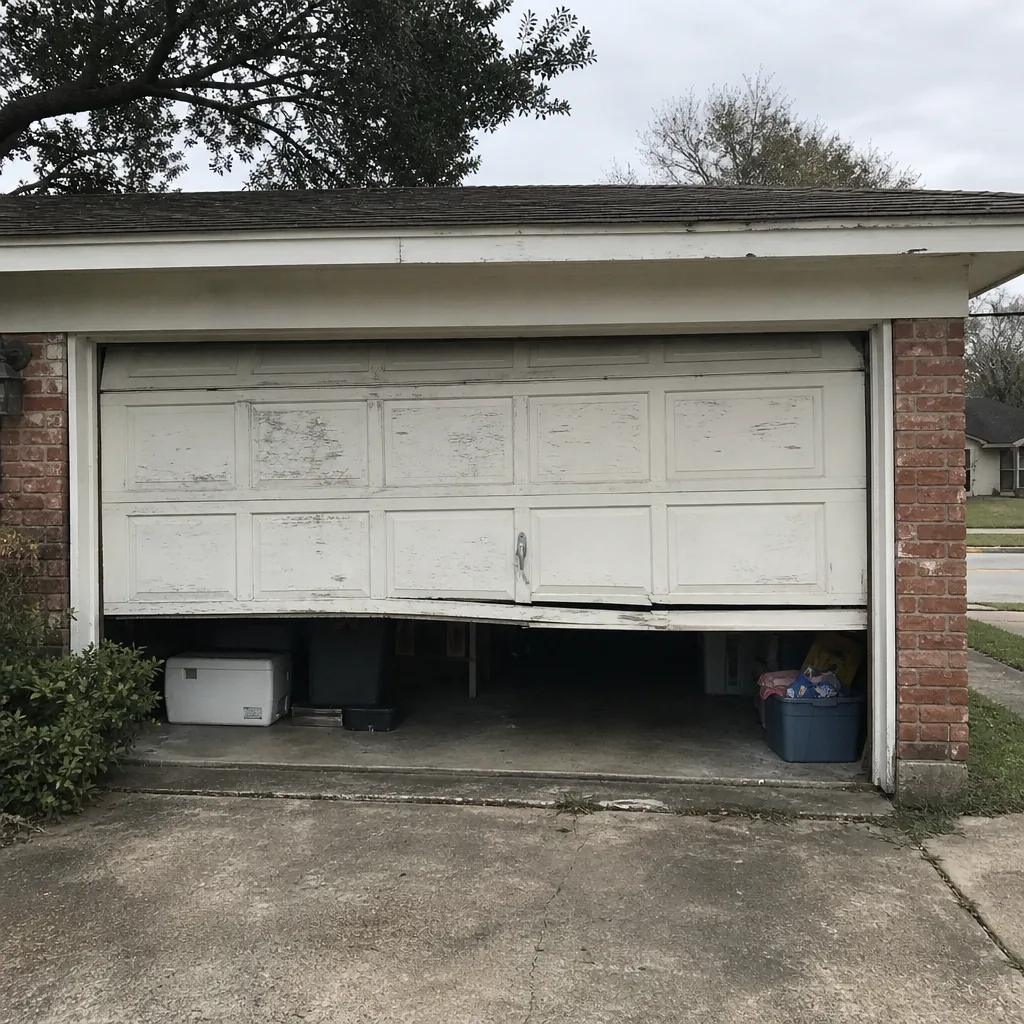 Before
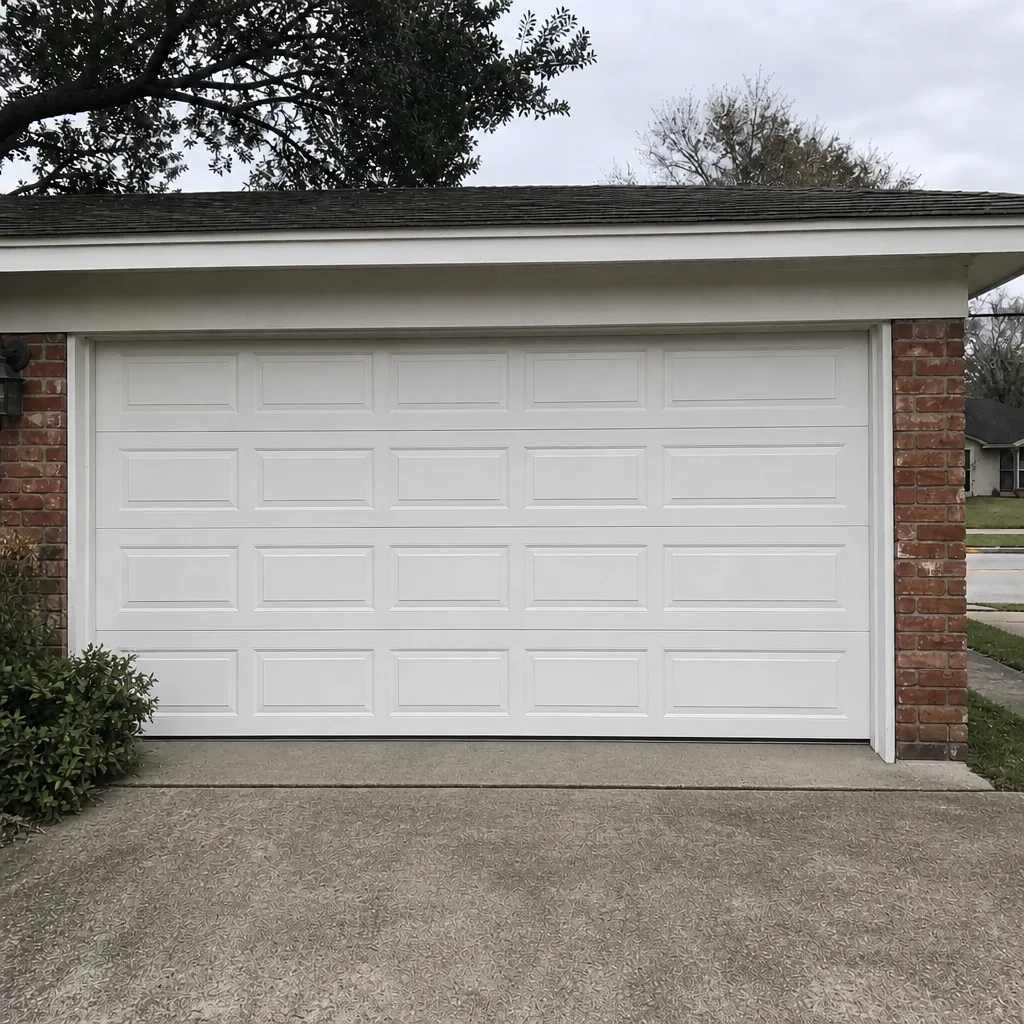 After
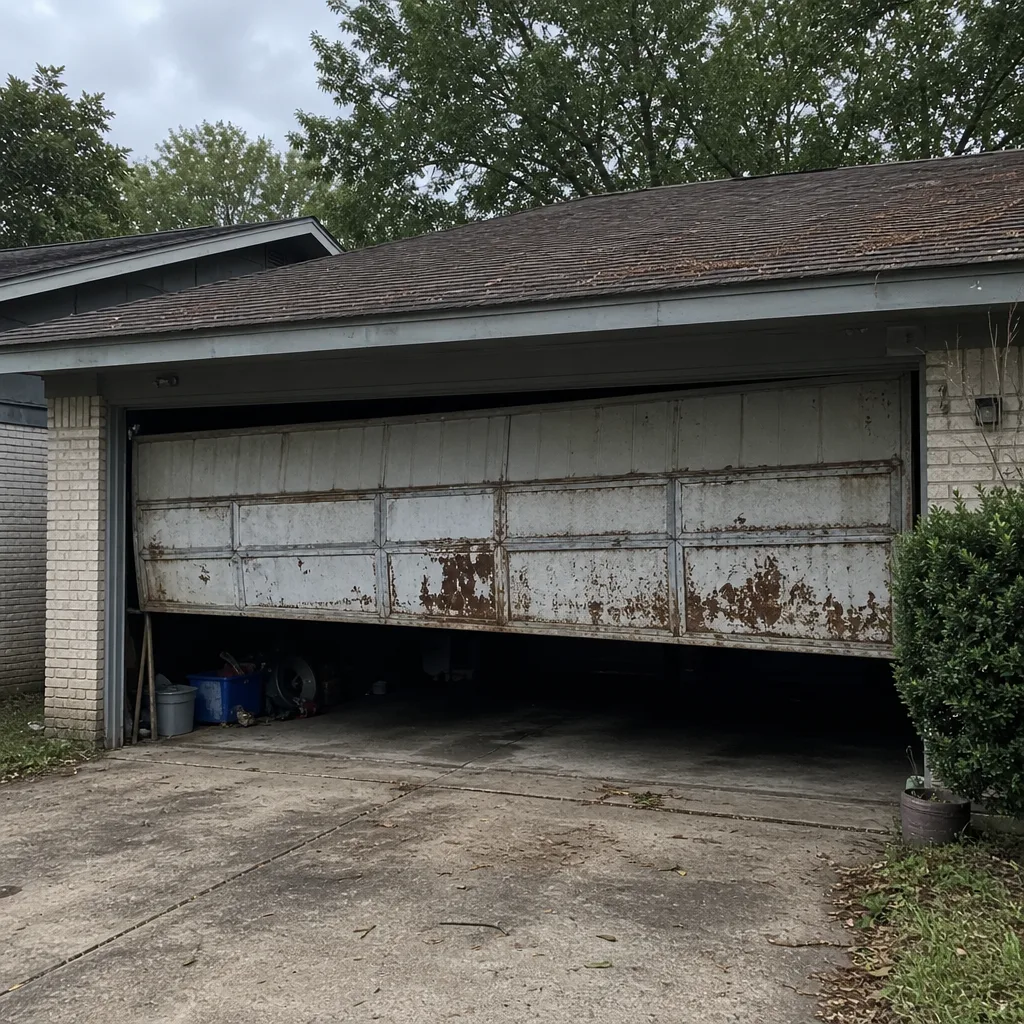 Before
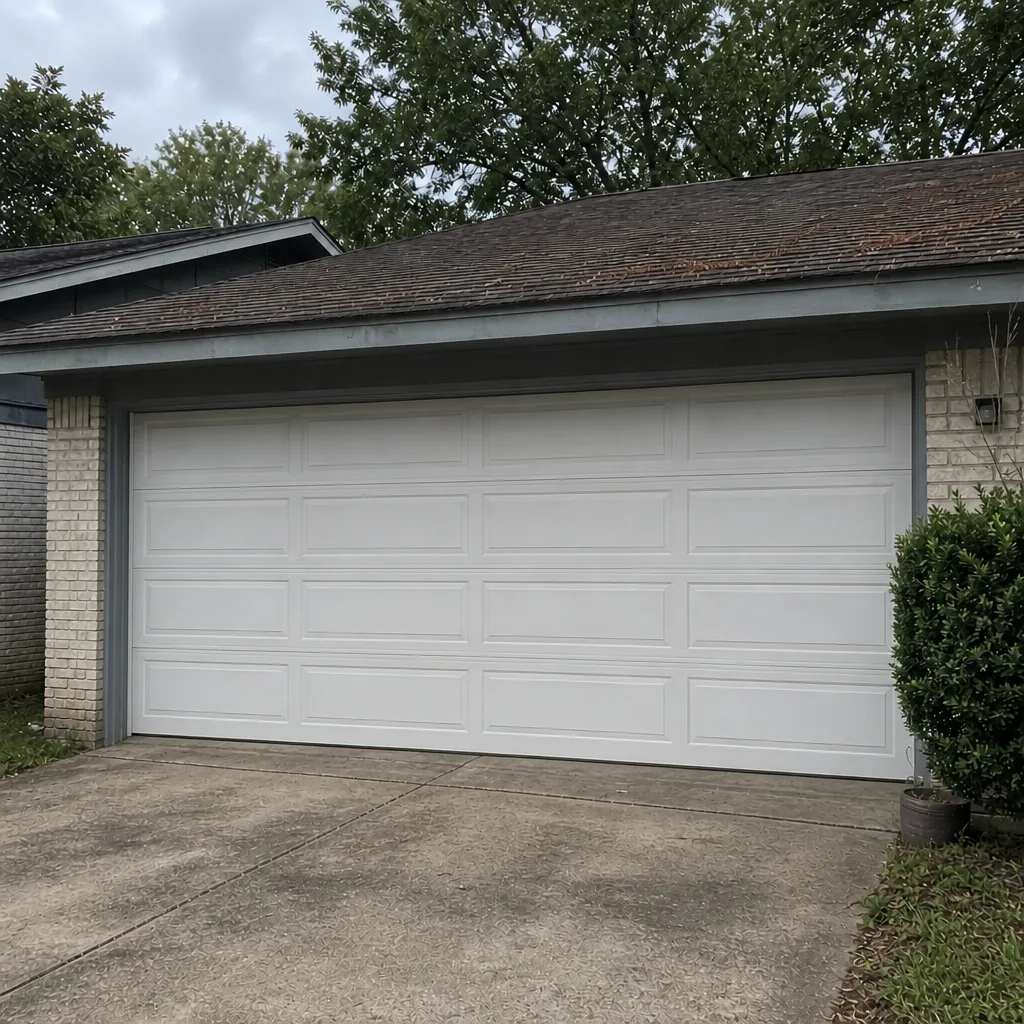 After
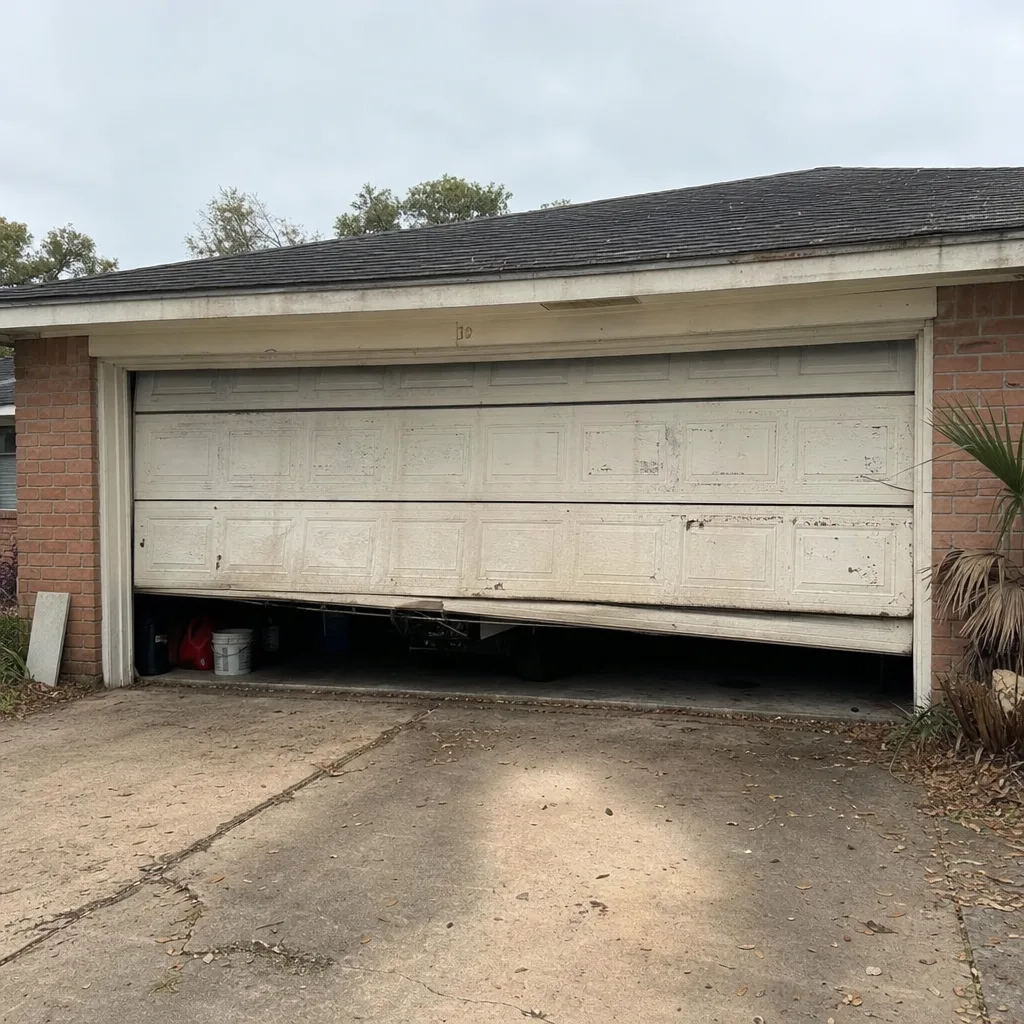 Before
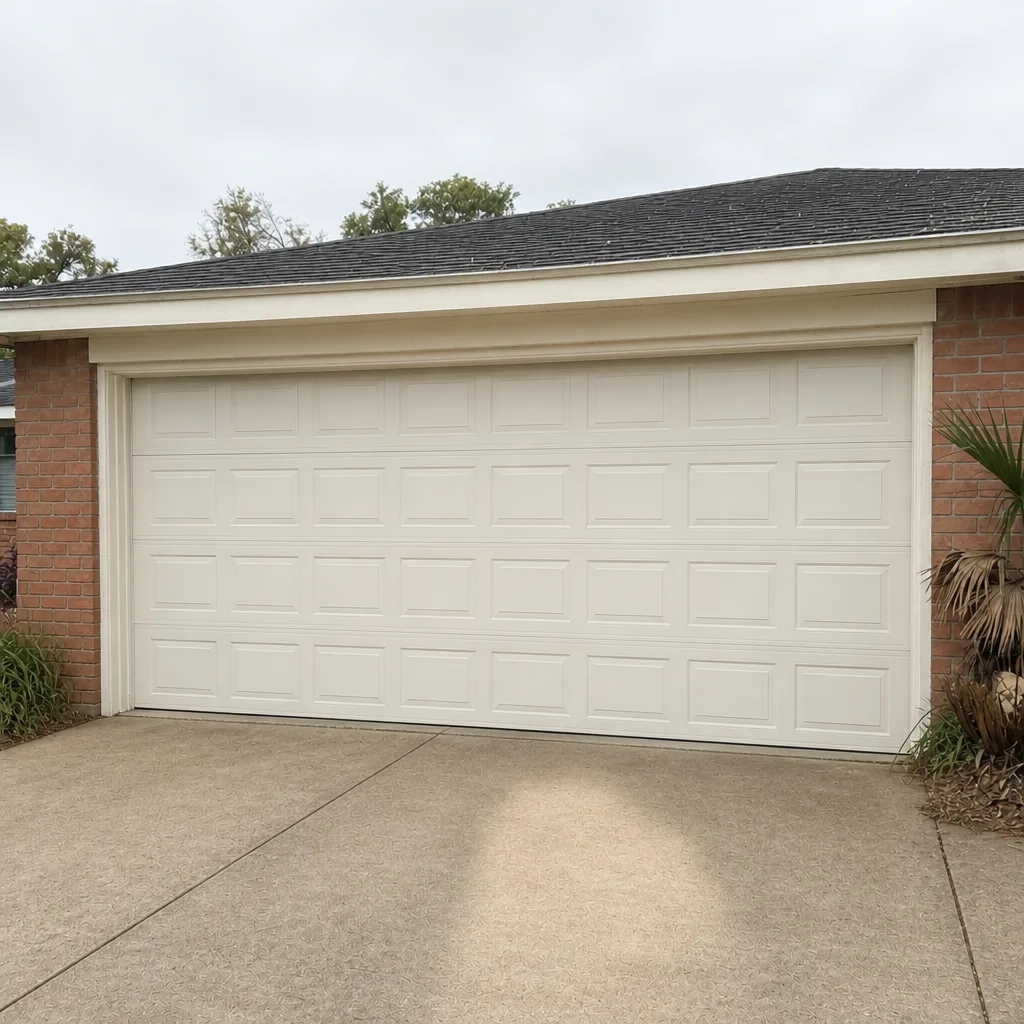 After
When to Call a Professional
Some jobs are homeowner maintenance and some aren’t, and knowing the line saves money and injuries. Call a professional if a spring looks broken or you see a gap in a torsion coil, if the door feels heavy or drops fast after a balance test, if a track is bent or a panel has shifted, if your opener trips its cutoff repeatedly in the heat, or if the safety reverse stops working. Any of those is a sign the system needs a trained eye rather than a wrench. Spring repair, especially, is not a job to attempt without the proper tools. Garage Door Repair Meyerland offers free estimates in Meyerland. Our technicians have up to 14 years of experience, work on the brand already installed in your home, and cover repair and installation under one company. Call (866) 937-7492. We answer 24/7. Fast dispatch from 7am to 7pm, Sunday through Friday. The price is set per job by a written estimate you approve before any work begins.
Frequently Asked Questions
Once a year is the baseline, and the best time for a full inspection here is May, before the hurricane window opens. On top of that, run the balance test and the safety reverse test yourself each season, and check seals monthly during the heat cycle. Meyerland’s three stress cycles mean a door needs more frequent small checks than a standard calendar suggests.
Because torsion spring tension drops when the garage gets cold, and it doesn’t fully return when temperatures climb. A spring set for warm weather loses measurable tension in a hard freeze, so the door feels heavy afterward. A technician can re-balance the door and confirm the springs are still carrying their load correctly.
Inspect the door by hand before you operate it. Check panel alignment, look at the tracks for bends or pulling away from the wall, check the springs from a distance, clear debris from the tracks, and test the door by hand with the opener disengaged. If it lifted smoothly, re-engage the opener and watch one full cycle. If anything felt wrong, call a technician.
Use a light, purpose-made lubricant, not heavy grease. Grease traps grit on the coils and turns into a grinding paste that wears the spring faster. Keep the heavy lubricant for hinges and rollers where metal meets metal. If you’re unsure which product to use, ask us when you call and we’ll point you to the right one.
Probably not. Most openers have a thermal cutoff that shuts the motor down when it overheats, and that’s common in Meyerland’s summer heat. The real question is why the motor is overheating, which is usually a door that’s binding or springs that are off balance. Have the door checked before you replace the opener.
We service the most common residential garage door and opener brands, including LiftMaster, Chamberlain, Genie and Clopay, plus Amarr, Wayne Dalton, Craftsman and Raynor. We work on the brand already installed in your home, so there’s no substitution and no guesswork. Call (866) 937-7492 for a free estimate and we’ll confirm what your system needs.
The Bottom Line
Meyerland’s garage doors don’t follow a four-season calendar. They follow a heat phase, a short freeze window and a year-round humidity baseline, and the maintenance that keeps a door working has to match those cycles. Prep in May before the hurricane window, watch the op